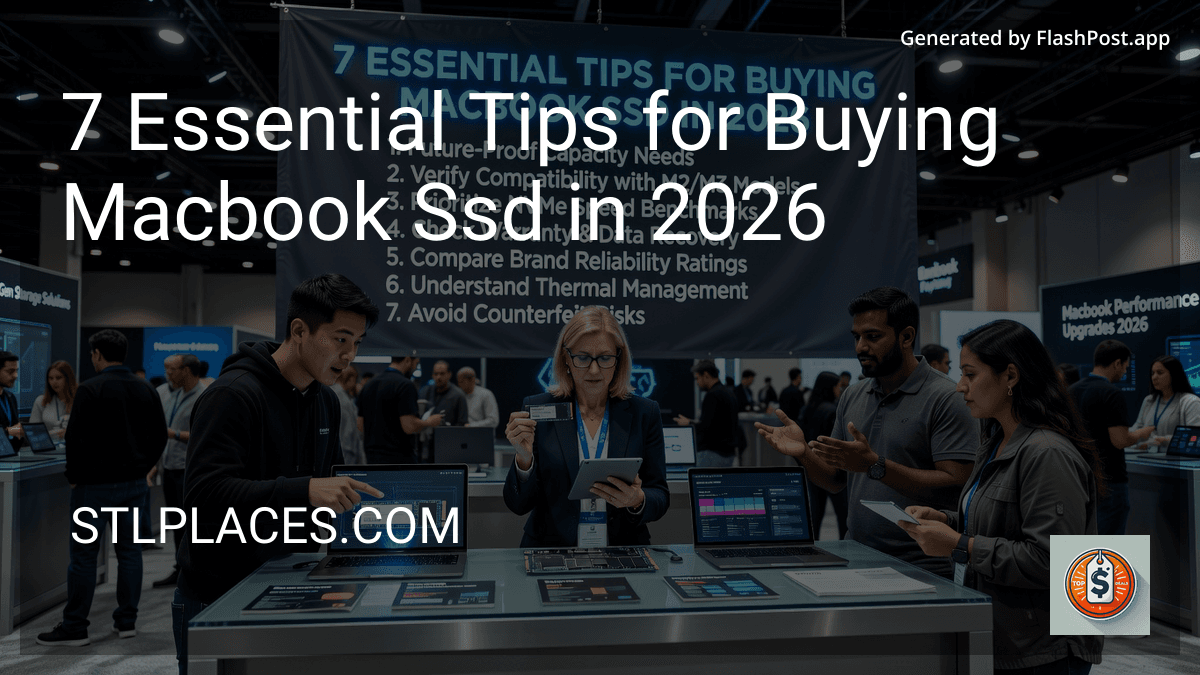
Best Portable SSDs for MacBook in October 2026
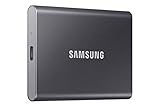
Samsung T7 Portable SSD, 1TB External Solid State Drive, Speeds Up to 1,050MB/s, USB 3.2 Gen 2, Reliable Storage for Gaming, Students, Professionals, MU-PC1T0T/AM, Gray
- FAST SPEEDS UP TO 1,050 MB/S-BACK UP YOUR CREATIONS INSTANTLY!
- COMPACT DESIGN WITH UP TO 4TB-STORE ALL YOUR FILES WITH EASE!
- SHOCK-RESISTANT AND DURABLE-BUILT TO WITHSTAND ANY ADVENTURE!


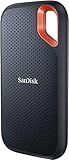
SANDISK 1TB Extreme Portable SSD (Old Model) - Up to 1050MB/s, USB-C, USB 3.2 Gen 2, IP65 Water and Dust Resistance, Updated Firmware - External Solid State Drive - SDSSDE61-1T00-G25
-
EXTREME SPEEDS: UP TO 1050MB/S READ & 1000MB/S WRITE FOR EVERY TASK.
-
RUGGED DESIGN: 3-METER DROP PROTECTION & IP65 WATER/DUST RESISTANCE.
-
SECURE YOUR DATA: 256-BIT AES ENCRYPTION AND HANDY MEMORY ZONE APP.
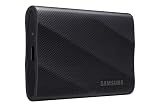
Samsung T9 Portable SSD 1TB, USB 3.2 Gen 2x2 External SSD, Up to 2,000 MB/s
-
LIGHTNING-FAST PERFORMANCE: ACHIEVE 2000MB/S SPEEDS FOR SEAMLESS WORKFLOWS.
-
COOL UNDER PRESSURE: ADVANCED THERMAL GUARD ENSURES OPTIMAL PERFORMANCE.
-
UNIVERSAL COMPATIBILITY: WORKS WITH DESKTOPS, CAMERAS, AND GAMING CONSOLES.
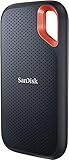
SANDISK 2TB Extreme Portable SSD (Old Model) - Up to 1050MB/s, USB-C, USB 3.2 Gen 2, IP65 Water and Dust Resistance, Updated Firmware - External Solid State Drive - SDSSDE61-2T00-G25
- BLAZING-FAST NVME SPEEDS: 1050MB/S READ, 1000MB/S WRITE!
- RUGGED DESIGN: 3M DROP PROTECTION & IP65 WATER/DUST RESISTANCE.
- SECURE YOUR DATA WITH 256-BIT AES ENCRYPTION AND PASSWORD PROTECTION.
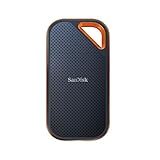
SANDISK 1TB Extreme PRO Portable SSD - Up to 2000MB/s - USB-C, USB 3.2 Gen 2x2, IP65 Water and Dust Resistance, Updated Firmware - External Solid State Drive - SDSSDE81-1T00-G25
- BLAZING NVME SPEEDS UP TO 2000MB/S FOR RAPID FILE TRANSFERS!
- RUGGED DESIGN: 3M DROP PROTECTION AND IP65 WATER/DUST RESISTANT.
- SAFEGUARD YOUR DATA WITH 256-BIT AES HARDWARE ENCRYPTION.
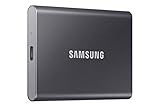
Samsung T7 Portable SSD, 2TB External Solid State Drive, Speeds Up to 1,050MB/s, USB 3.2 Gen 2, Reliable Storage for Gaming, Students, Professionals, MU-PC2T0T/AM, Gray
-
LIGHTNING FAST SPEEDS: EXPERIENCE READ/WRITE SPEEDS UP TO 1,050/1,000 MB/S!
-
MASSIVE CAPACITY: STORE UP TO 4TB OF FILES, PHOTOS, AND VIDEOS EFFORTLESSLY.
-
DURABLE DESIGN: SHOCK-RESISTANT UP TO 6 FEET; BUILT FOR EVERY ADVENTURE!
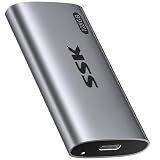
SSK 128GB SSD External Hard Drive, Portable SSD Up to 550MB/s Fast Solid State Drives, External Drive USB 3.2 Gen2 for iPhone 15/Pro, Windows, Mac, Android with LED Light, Trim, SMART Supported
-
HIGH SPEED TRANSFERS: EXPERIENCE BLAZING SPEEDS UP TO 550MB/S FOR QUICK ACCESS.
-
CROSS-DEVICE COMPATIBILITY: CONNECT SEAMLESSLY WITH USB-C AND USB-A ADAPTERS.
-
ENHANCED DATA SECURITY: S.M.A.R.T. MONITORING AND TRIM TECH ENSURE DRIVE LONGEVITY.
7 Essential Tips for Buying MacBook SSD in 2026
Life moves fast, and so does technology. As the proud owner of a MacBook, you probably demand speed, reliability, and plenty of storage space. That's exactly why selecting the perfect SSD (Solid State Drive) is crucial. But how do you navigate the myriad of choices available? Fortunately, buying a MacBook SSD in 2026 doesn't have to be complicated. You just need the right tips.
In an era where data breaches and speed are bigger considerations than ever, the decision you make will directly impact your productivity and peace of mind. With tech advancements taking strides every year, your MacBook deserves an SSD that excels in both performance and security. Ready to make your best purchase yet? Here's a comprehensive guide to ensure you choose wisely.
How to Choose the Right MacBook SSD
Before you hand over your credit card, arm yourself with the knowledge that can transform your buying experience. Here's what to look for:
-
Storage Capacity: Choose an SSD with enough storage for your needs. Are you a creative professional storing large files, or a casual user with lighter needs? 256GB or 512GB might suffice for most users, but if you handle massive files regularly, consider upwards of 1TB.
-
Read/Write Speeds: Speed is everything. Look for SSDs providing 500MB/s or higher. Faster read/write speeds ensure your MacBook runs smoothly and handles large files effortlessly.
-
Interface Type: Ensure compatibility with your MacBook. NVMe SSDs, utilizing the PCIe interface, offer higher data transfer rates and improved efficiency over traditional SATA interfaces.
-
Durability and Reliability: For peace of mind, choose SSDs with a strong reputation for reliability. The last thing you want is data loss. Brands often offer 5-year warranties on quality drives, reflecting their durability.
-
Security Features: Your data is precious. Look for SSDs with built-in encryption and secure erase functionalities, particularly if you handle sensitive information.
-
Cost-Effectiveness: While you should never compromise on quality, ensure you're getting good value. Compare prices against features and take advantage of sales or bundle offers.
-
Future-Proofing: Technology evolves rapidly. Opt for SSDs that will support your MacBook's performance for years to come without needing frequent upgrades.
💡 Did you know: A faster SSD can dramatically reduce your system's boot time and the loading time of applications? You'll notice a snappy response in day-to-day operations and heavier tasks alike.
The Benefits of a Quality SSD
Why does this all matter? Imagine a workflow where you're not waiting on your MacBook to catch up with you. Here's how a top-notch SSD impacts your life:
-
Enhanced Performance: Instantaneous boot times, blazing-fast data transfer, and seamless multitasking capabilities are what a high-performance SSD delivers.
-
Data Security and Integrity: Built-in encryption keeps your data secure, while better build quality often translates to fewer data errors and loss, protecting your valuable information.
-
Energy Efficiency: SSDs consume less power than traditional hard drives, extending your MacBook's battery life. This energy efficiency is crucial when you're on the go or working remotely.
Pro Tips for Buying Your SSD
Having worked with various SSDs, I've gathered some insider tips to maximize your investment:
-
Over-Provisioning: This technique allows your SSD to manage flash memory cells more effectively, thereby boosting performance and lifespan. Choose SSDs that offer this feature.
-
Factor in Your MacBook's Age: Ensure your MacBook's firmware supports the SSD's capabilities. Older models might not harness the full potential of newer NVMe SSDs.
-
Check for Firmware Updates: Regular updates can improve SSD performance or introduce new features. Make it a habit to update your SSD's firmware.
How to Get Started with Your SSD Upgrade
Ready to make the plunge? Here's a simple path to your MacBook SSD upgrade:
- Determine Your Needs: Reflect on your usage patterns to define your storage and speed requirements.
- Research and Compare: Browse through online reviews, tech forums, and product comparison sites to identify the best SSDs within your criteria.
- Consult Experts: If in doubt, visit an authorized Apple service provider for recommendations suited to your MacBook model.
- Purchase: Checkout trusted retailers for the best deals or consider buying directly from manufacturer websites for warranty benefits.
- Installation: Feeling tech-savvy? Follow detailed guides online to install your SSD, or visit a professional for installation.
Meanwhile, don't forget about software-cheap laptops with SSD 2025, best portable SSD drive, and other resources can guide you on leveraging your new SSD to its full potential.
Frequently Asked Questions
What SSD is best for my MacBook in 2026?
The best SSD depends on your needs, but prioritize NVMe SSDs for their speed and efficiency. Consider factors like capacity, read/write speed, and security features.
Can I install an SSD in my MacBook myself?
Yes, you can install an SSD yourself if you have the technical know-how. However, if you're unsure, visiting a professional is a safer option to avoid any damage.
How much storage do I actually need in a MacBook SSD?
For most users, 256GB is a good starting point. You'll want to increase this to at least 512GB or more if you're handling large files or running multiple resource-intensive applications.
How do SSD speeds impact MacBook performance?
SSDs with higher read/write speeds improve boot times, reduce load times for applications, and generally make your MacBook more responsive.
Is it worth upgrading an older MacBook with an SSD in 2026?
Absolutely. An SSD can breathe new life into an old MacBook, providing faster performance and improving battery life compared to older hard drives.
Empowered with these insights, you're well on your way to selecting the perfect SSD for your MacBook. Embrace the upgrade with confidence, knowing that smoother, faster performance is just an SSD away.