
Best Rowing Machines for Beginners to Buy in October 2026
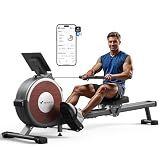
Merach Rowing Machine, Magnetic Rower Machine for Home, 16 Levels of Quiet Resistance, Dual Slide Rail with Max 350lb Weight Capacity, App Compatible with LCD Monitor, Q1S
- ENHANCE YOUR ROWING: ACCESS TOP COURSES VIA MERACH APP!
- ULTRA-QUIET OPERATION: CUSTOM MAGNETIC FLYWHEEL MINIMIZES NOISE.
- STURDY & SPACE-SAVING: DUAL RAIL DESIGN SUPPORTS 350 LBS, COMPACT STORAGE.


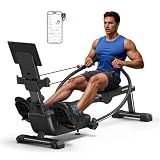
Merach RS3 Scull Rowing Machine for Home, Simulate Real Row, Ergonomic Seat
-
REALISTIC MOTION: SCULLS-STYLE ROWING MIMICS TRUE ROWING FOR FULL-BODY TRAINING.
-
DIVERSE WORKOUTS: ENJOY MULTIPLE ROWING MODES FOR VARIED AND EFFECTIVE SESSIONS.
-
PRO RESISTANCE: EXPERIENCE UP TO 80 LBS OF ADJUSTABLE MAGNETIC RESISTANCE.
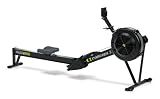
Concept2 RowErg Indoor Rowing Machine - PM5 Monitor, Device Holder, Adjustable Air Resistance, Easy Storage
- SECURE DEVICE HOLDER: KEEP SMARTPHONES/TABLETS IN PLACE WHILE ROWING.
- QUIET, SMOOTH WORKOUT: FLYWHEEL DESIGN OFFERS LOW-IMPACT FULL-BODY EXERCISE.
- PERFORMANCE INSIGHTS: PM5 MONITOR TRACKS YOUR STATS FOR ENHANCED TRAINING.
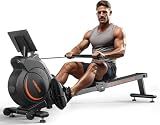
YOSUDA Rowing Machine for Home, Magnetic Rower with 16 Resistance Levels
- FULL-BODY WORKOUT: ENGAGE 85% OF MUSCLES FOR EFFECTIVE CALORIE BURN.
- STABLE & SAFE: HOLDS UP TO 350 LBS WITH SUPERIOR TRACK STABILITY.
- QUIET OPERATION: IDEAL FOR APARTMENTS; LOW NOISE FOR PEACEFUL WORKOUTS.
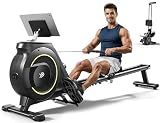
YPOO Rowing Machine for Home, 350LB 16-Level Magnetic Resistance Foldable
-
WHISPER-QUIET WORKOUTS: TRAIN ANYTIME AT UNDER 25DB, PERFECT FOR APARTMENTS.
-
CUSTOMIZABLE RESISTANCE: 16 LEVELS CATER TO ALL FITNESS LEVELS AND GOALS.
-
SPACE-SAVING DESIGN: FOLDS VERTICALLY, SAVING OVER 70% SPACE WHEN STORED.
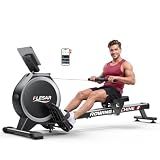
Flesar Rowing Machines for Home, Magnetic Rowing Machine with 16 Levels, Rower Machine of 350LBS Weight Capacity & Quiet Resistance, Dual Slide Rail, App Supported, LED Monitor
-
16 RESISTANCE LEVELS ADAPT FOR ALL FITNESS GOALS SMOOTHLY!
-
WHISPER-QUIET DESIGN FOR DISTRACTION-FREE HOME WORKOUTS!
-
TRACK PROGRESS EASILY WITH SMART DISPLAY & APP CONNECTIVITY!
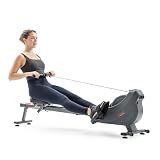
Sunny Health & Fitness Smart Magnetic Rower, Dual-Rail Home Rowing Machine
-
SMOOTH DUAL-TRACK DESIGN: ENJOY A WOBBLE-FREE, NATURAL ROWING EXPERIENCE.
-
AI-POWERED APP: ACCESS SCENIC ROUTES AND PERSONALIZED TRAINING PLANS.
-
FULL-BODY EFFICIENCY: ENGAGE ALL MAJOR MUSCLE GROUPS FOR OPTIMAL WORKOUTS.
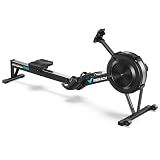
Merach R50 Pro Rowing Machine Indoor, Professional Monitor, Easy Storage
- TRACK EVERY STROKE WITH PRECISION USING OUR PRO PERFORMANCE MONITOR.
- ENJOY ADJUSTABLE RESISTANCE LEVELS FOR VARIED, DYNAMIC TRAINING INTENSITY.
- QUICK 90% PRE-ASSEMBLY ENSURES HASSLE-FREE SETUP AND EASY STORAGE!
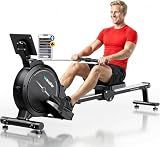
Wenoker Magnetic Rowing Machine for Home,Quiet & Smooth,Full Body Workout
-
TRACK FITNESS WITH LCD: TIME, SPEED, DISTANCE, AND CALORIES BURNED.
-
BLUETOOTH APP COMPATIBILITY FOR IMMERSIVE WORKOUTS WITH YOUR DEVICES.
-
SMOOTH, QUIET MAGNETIC RESISTANCE; PERFECT FOR HOME AND SMALL SPACES.
Rowing machines can be very suitable for beginners due to several reasons. They provide a low-impact cardiovascular workout that reduces stress on the joints, making them a good option for those new to exercise or with joint concerns. Rowing machines offer a full-body workout, engaging multiple muscle groups, including the legs, core, back, and arms, which can help beginners build overall strength and endurance. Most rowing machines allow users to adjust the resistance, making it easy to tailor the workout intensity to individual fitness levels and progression over time. Additionally, using a rowing machine involves a seated position, which can be less intimidating for beginners compared to other gym equipment. However, it's important for beginners to focus on learning the proper rowing technique to maximize effectiveness and avoid injury. Starting with guidance from instructional videos or a fitness professional can be beneficial to ensure correct form and to establish a solid foundation for regular workouts.
What is the resistance level on a rowing machine?
The resistance level on a rowing machine refers to the amount of force or difficulty required to pull the handle and move the seat. Various types of rowing machines can have different mechanisms for adjusting resistance, including:
- Air Resistance: Typically found in air rowers, resistance is determined by the speed and intensity of your rowing. The harder you row, the more resistance you encounter.
- Magnetic Resistance: Magnetic rowers use magnets to create resistance. The resistance level is usually adjustable via a dial or digital control, allowing you to change the level without affecting the rowing speed.
- Water Resistance: Water rowers use water and paddles to create resistance, mimicking the feel of rowing on water. Resistance increases with the speed of your rowing stroke, simulating the natural dynamics of water rowing.
- Hydraulic Resistance: Hydraulic rowers use pistons filled with liquid or air to provide resistance. Each stroke's resistance level can be manually adjusted by altering the piston's settings.
When choosing a resistance level, consider your fitness goals and experience. Beginners might start at lower resistance to focus on technique before increasing it to build strength and endurance. Always refer to the user manual of your specific rowing machine model for precise instructions on adjusting and using resistance.
How to enhance muscle engagement on a rowing machine?
Enhancing muscle engagement on a rowing machine involves a combination of proper technique, targeted workouts, and mindful adjustments. Here are some tips to help you maximize your rowing workouts:
- Focus on Form: Posture: Keep your back straight, core engaged, and shoulders relaxed. Avoid slouching or rounding your back. Sequencing: Follow the correct sequence: push with your legs, then pivot back with your hips, and finally pull with your arms. Reverse this order on the return. Drive: Focus on a powerful leg drive; legs should do most of the work during the stroke.
- Optimize Resistance: Adjust the damper setting to a level that offers both challenge and control. A higher setting isn't necessarily better; it should be at an intensity manageable with proper form.
- Engage Core Muscles: Keep your core tight throughout the rowing motion to stabilize your body and improve power transmission from legs to arms.
- Incorporate Intervals: Use interval training to boost muscle activation. Alternate between high-intensity bursts and lower intensity recovery. For example, row hard for 1 minute, followed by 2 minutes of steady rowing.
- Vary Your Pace and Strokes: Include different types of strokes, such as power strokes (focusing on strength) and technical strokes (focusing on form). Mix fast-paced sprints with steady endurance rows to engage different muscle fibers.
- Include Strength Training: Supplement your rowing with off-machine exercises focusing on legs, core, and upper body to enhance overall rowing performance.
- Use Visualization Techniques: Mentally picture your muscles working during each phase of the stroke. Visualization can enhance muscle recruitment and improve focus.
- Monitoring and Feedback: Use the rowing machine’s monitor to track metrics like stroke rate (SPM) and split times, adjusting as needed to optimize engagement. Consider videotaping your rowing and reviewing the footage to rectify any form issues.
- Breathing Technique: Coordinate your breathing with your strokes: inhale on the recovery and exhale on the drive. Proper breathing can help maintain rhythm and core engagement.
- Regular Technique Reviews: Periodically review and refine your technique with a coach or by watching instructional videos.
By paying close attention to these aspects, you can significantly improve muscle engagement during your rowing workouts, leading to better performance and fitness gains.
How to increase stamina using a rowing machine?
Increasing stamina with a rowing machine is a great way to improve cardiovascular fitness and overall endurance. Here are some tips to help you effectively boost stamina using a rowing machine:
- Establish a Baseline: Start by determining your current fitness level. Row for a set distance or time at a comfortable pace and track your performance. This will help you measure progress.
- Set Goals: Define clear and realistic goals for what you want to achieve, such as rowing for a longer distance or duration, or improving your split time (time per 500 meters).
- Consistent Routine: Aim to use the rowing machine 3-5 times a week. Consistency is key to building stamina.
- Warm-Up and Cool Down: Always begin with a 5-10 minute warm-up at a light intensity to prepare your body. Cool down at the end of your session to help reduce muscle soreness.
- Interval Training: Incorporate intervals into your workout. For example, row at a high intensity for a minute followed by two minutes at a lower intensity. Gradually increase the intensity and duration of the high-intensity intervals as your stamina improves.
- Longer Sessions: Gradually increase the duration of your workouts. Start with 20-30 minute sessions and build up to 45-60 minutes as you become more comfortable.
- Pace Control: Work on maintaining a steady and efficient pace. Focus on proper form to maximize your efficiency and reduce the risk of injury.
- Resistance Variation: Increase the resistance setting on the rowing machine to add more challenge, but ensure your form remains correct.
- Cross-Training: Incorporate other forms of cardiovascular exercise and strength training into your fitness routine to balance muscle groups and prevent overuse injuries.
- Rest and Recovery: Ensure you're getting enough rest, including full rest days, to allow your muscles to recover and build stamina.
- Nutrition and Hydration: Fuel your body with proper nutrition and stay well-hydrated before, during, and after workouts to optimize performance.
- Track Progress: Keep a record of your workouts, including time, distance, and intensity. Monitoring your progress can be motivating and help identify areas for improvement.
By integrating these strategies into your rowing routine, you'll be able to gradually and effectively build your stamina over time. Remember, patience and consistency are key.
What is the ideal rowing machine stroke rate?
The ideal rowing machine stroke rate can vary depending on your fitness goals, experience level, and the type of workout you're doing. However, there are some general guidelines that can help:
- Beginners: For those new to rowing, a stroke rate between 18 to 22 strokes per minute (SPM) is recommended. This allows you to focus on form and technique.
- Steady-State or Endurance Workouts: For longer, steady-state sessions aimed at building endurance, a stroke rate between 20 to 24 SPM is common.
- Intermediate to Advanced Rowers: Experienced rowers often work at stroke rates ranging from 24 to 30 SPM during more intense workouts. This includes tempo rowing and higher-intensity sessions designed to build speed and power.
- Sprint Intervals: For high-intensity interval training (HIIT) or sprint rowing, stroke rates can go above 30 SPM, often reaching 32 to 36 SPM or higher.
Ultimately, the best stroke rate for you will depend on your specific training objectives and personal comfort. It's important to maintain good technique and a strong connection between your stroke rate and power output to maximize your workout efficiency and reduce the risk of injury.