
Best Rowing Machines for Small Spaces to Buy in October 2026
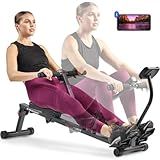
Sunny Health & Fitness Smart Compact Hydraulic Rower for Full-Body Cardio
- FULL BODY WORKOUT: ENGAGE ALL MAJOR MUSCLES WITH LOW-IMPACT ROWING.
- FREE SUNNYFIT APP: ACCESS 1,000+ WORKOUTS & TRACK YOUR PROGRESS!
- COMPACT DESIGN: LIGHTWEIGHT & SPACE-SAVING FOR CONVENIENT STORAGE.


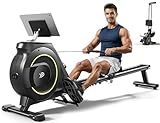
YPOO Rowing Machine for Home, 350LB 16-Level Magnetic Resistance Foldable
-
WHISPER-QUIET WORKOUTS: OPERATES BELOW 25DB, PERFECT FOR ANY TIME!
-
SPACE-SAVING DESIGN: COMPACT AND EASY TO STORE, IDEAL FOR SMALL SPACES.
-
FULL-BODY TRAINING: ENGAGE MUSCLES EFFECTIVELY WITH ENHANCED INCLINE FEATURES.
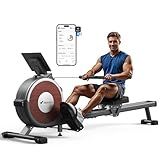
Merach Rowing Machine, Magnetic Rower Machine for Home, 16 Levels of Quiet Resistance, Dual Slide Rail with Max 350lb Weight Capacity, App Compatible with LCD Monitor, Q1S
- LEVEL UP YOUR ROWING WITH MERACH’S INTERACTIVE COURSES!
- ENJOY A QUIET WORKOUT WITH OUR SMOOTH MAGNETIC FLYWHEEL SYSTEM.
- EASY 30-MIN ASSEMBLY & SPACE-SAVING DESIGN FOR ANY HOME!
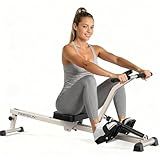
FEIERDUN Hydraulic Rowing Machine for Home Compact Adjustable Rower
-
FULL BODY TONE: TARGET ALL MUSCLE GROUPS WITH LOW-IMPACT ROWING POWER.
-
COMPACT DESIGN: LIGHTWEIGHT AND PORTABLE FOR ANY SMALL SPACE WORKOUT.
-
CUSTOM INTENSITY: 12 RESISTANCE LEVELS TO PERSONALIZE YOUR FITNESS JOURNEY.
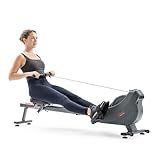
Sunny Health & Fitness Smart Magnetic Rower, Dual-Rail Home Rowing Machine
-
STABLE DUAL-TRACK DESIGN: ENSURES SMOOTH, CONTROLLED ROWING WITHOUT WOBBLE.
-
SUNNYFIT APP CONNECTION: ACCESS CUSTOM WORKOUTS AND SCENIC ROUTES EASILY.
-
QUIET MAGNETIC RESISTANCE: 16 LEVELS FOR SEAMLESS TRANSITIONS AND LESS NOISE.
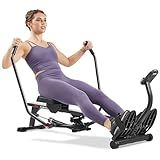
Sunny Health & Fitness Smart Full Motion Rower, Dark Gray
-
VERSATILE FULL MOTION: ENGAGE MULTIPLE MUSCLE GROUPS WITH 360-DEGREE MOVEMENT.
-
COMPACT & STURDY: SUPPORTS UP TO 400 LBS WHILE SAVING VALUABLE SPACE.
-
REALISTIC EXPERIENCE: ROWING SIMULATION WITH SUNNYFIT APP FOR IMMERSIVE WORKOUTS.
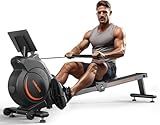
YOSUDA Magnetic Rowing Machine for Home, Quiet & Smooth Full Body Workout Rower, App Connected Cardio Equipment, Apartment-Friendly Indoor Fitness Machine
- FULL-BODY WORKOUT: ENGAGE 85% OF MUSCLES FOR EFFECTIVE CALORIE BURNING.
- STABLE & DURABLE: TRUSTWORTHY BUILD WITH 350 LBS CAPACITY AND SMOOTH GLIDE.
- SMART FITNESS APP: TRACK PROGRESS AND STAY MOTIVATED WITH GUIDED PROGRAMS.
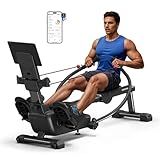
Merach RS3 Scull Rowing Machine for Home, Simulate Real Row, Ergonomic Seat
- REALISTIC ROWING EXPERIENCE: 120° ARM MOTION FOR FULL MUSCLE ENGAGEMENT.
- DIVERSE TRAINING MODES: ONE-ARM AND DUAL-ARM ROWS FOR VERSATILE WORKOUTS.
- PRO RESISTANCE & APP: 80 LBS MAGNETIC RESISTANCE AND 1,000+ INTERACTIVE WORKOUTS.
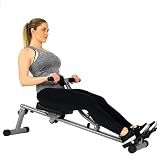
Sunny Health & Fitness SF-RW1205 Rowing Machine Rower
-
12 RESISTANCE LEVELS: PERFECT FOR ALL FITNESS LEVELS-SAFEGUARD JOINTS!
-
COMPACT & QUIET: LIGHTWEIGHT DESIGN FOR SEAMLESS WORKOUTS IN SMALL SPACES.
-
TRACK YOUR PROGRESS: STAY MOTIVATED WITH A DIGITAL MONITOR FOR STATS!
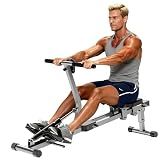
Ann Katy Compact Rowing Machine, Foldable Full Body Home Workout Rower
-
12 CUSTOMIZABLE RESISTANCE LEVELS FOR ALL FITNESS LEVELS.
-
REAL-TIME TRACKING FOR YOUR FITNESS GOALS AND PROGRESS.
-
FULL-BODY WORKOUTS WITH COMFORT AND SMOOTH PERFORMANCE.
Rowing machines can vary significantly in size depending on the model and design. On average, a rowing machine can be about 7 to 9 feet in length and 1 to 2 feet in width. In terms of height, they typically require around 4 to 5 feet, especially if you're considering models that allow for vertical storage when not in use. However, space requirements can differ based on whether the machine is foldable or fixed, so it's important to check the specifications of the specific model you are considering. Additionally, you'll want to ensure there is adequate clearance around the machine for comfortable use.
What are the dimensions of a standard rowing machine?
The dimensions of a standard rowing machine can vary slightly between models and manufacturers, but typically, a standard rowing machine is around:
- Length: 7 to 9 feet (approximately 213 to 274 cm)
- Width: 2 to 4 feet (approximately 61 to 122 cm)
- Height: 1 to 5 feet (approximately 30 to 152 cm), depending on the type and design, such as whether it mimics an elevated water rowing position.
It's important to check the specific dimensions of the model you are interested in, particularly if you have space constraints. Most indoor rowing machines are designed to be folded or stored vertically to save space when not in use.
How do you maintain a rowing machine?
Maintaining a rowing machine is essential to ensure its longevity and optimal performance. Here are some steps you can take to maintain your rowing machine:
- Regular Cleaning: Wipe down the machine after each use with a soft, damp cloth to remove sweat and dust. Use a mild cleaner or disinfectant spray if necessary, but avoid using harsh chemicals that could damage the surface.
- Check for Loose Bolts and Screws: Periodically inspect and tighten any loose bolts or screws. Vibrations during use can cause these to loosen over time.
- Inspect the Chain or Cord: For machines with a chain, apply a light coat of oil or lubricant specifically designed for chains to prevent rust and ensure smooth operation. If your machine uses a cord, check for any fraying or wear, and replace if necessary.
- Seat and Rail Care: Clean and lubricate the rail where the seat slides regularly to ensure smooth movement. Use a dry cloth to remove dust and debris from the rail. Check the rollers on the seat for wear and clean them as needed.
- Monitor the Foot Straps and Pads: Inspect the foot straps and pads for signs of wear and tear, which may need replacement to ensure user safety and comfort.
- Check the Resistance Mechanism: For air or water resistance rowers, ensure the mechanisms (fan or water tank) are clean and free from obstructions. For magnetic or hydraulic machines, ensure the resistance settings function correctly and check for any unusual noise or friction.
- Monitor the Display Console: Ensure the display console is functioning properly. Replace batteries as needed, and if the console shows inaccuracies, check the connections.
- Evaluate Performance: Pay attention to any unusual noises, vibrations, or changes in performance, and investigate promptly to identify and fix any issues.
- Follow the Manufacturer's Guidelines: Refer to the manufacturer’s manual for specific maintenance tips and intervals.
By regularly maintaining your rowing machine, you can prevent issues from escalating and extend the life of the equipment, ensuring a smooth and effective workout experience.
What are common mistakes to avoid on a rowing machine?
Using a rowing machine is an effective way to get a full-body workout, but there are several common mistakes that can hinder your performance and increase the risk of injury. Here are some to avoid:
- Poor Posture: Ensure you maintain a straight back throughout the rowing motion. Slouching or hunching over can lead to back strain.
- Rushing the Stroke: Avoid rushing through the stroke. Proper rowing involves a sequence: drive back with your legs, lean back slightly, and then pull the handle. Rushing any part of this can compromise efficiency and form.
- Neglecting the Legs: Rowing is not just an arm workout. Your legs provide the primary power in the stroke. Pushing with your legs first and foremost is crucial.
- Overusing the Arms: Pulling too early with your arms or relying on them too much can lead to fatigue and improper form. Focus on driving with your legs and engaging your core before pulling with your arms.
- Faulty Grip: Avoid gripping the handle too tightly, which can cause tension in your forearms and shoulders. A relaxed grip is essential.
- Pulling the Handle Too High: The handle should be pulled to the area just below your chest. Pulling too high or too low can affect your form and efficiency.
- Poor Recovery Sequence: During recovery, the sequence should be arms out first, then lean forward from the hips, followed by bending the knees to return to the starting position. Doing this sequence incorrectly can disrupt your rhythm and efficiency.
- Ignoring Resistance Settings: Setting the resistance too high can lead to poor technique and fatigue. Begin with moderate resistance and increase as you build strength and confidence.
- Shortened Stroke Length: Not fully extending your legs or arms can limit the effectiveness of your workout. Aim to maximize the length of both the drive and recovery phases.
- Lack of Warm-Up and Cool Down: Not warming up can lead to injury, and skipping cool down can result in stiffness. Ensure you do both before and after rowing sessions.
- Inconsistent Breathing: Remember to maintain a steady, rhythmic breathing pattern, usually inhaling on the recovery and exhaling during the drive phase.
By avoiding these common mistakes, you'll enhance your rowing technique, prevent injury, and get the most out of your workout.
How do you choose between magnetic and hydraulic rowing machines?
Choosing between magnetic and hydraulic rowing machines depends on various factors, including your fitness goals, space constraints, budget, and personal preferences. Here’s a breakdown of the key considerations for each type:
Magnetic Rowing Machines:
Pros:
- Quiet Operation: Magnetic rowers are known for their smooth and quiet operation, making them suitable for home use without disturbing others.
- Adjustable Resistance Levels: Most magnetic rowers come with adjustable resistance levels, allowing for customized workouts.
- Consistency: Resistance remains consistent throughout the rowing motion, providing a smooth and even workout experience.
- Low Maintenance: Generally requires less maintenance than hydraulic models.
Cons:
- Price: Typically more expensive than hydraulic rowers.
- Space: May take up more space, although there are compact foldable options available.
Hydraulic Rowing Machines:
Pros:
- Compact and Portable: Often more compact than magnetic rowers and can easily be stored away when not in use, making them ideal for small spaces.
- Affordable: Generally less expensive than other types of rowing machines, including magnetic rowers.
- Wide Range of Motion: Can offer a different range of motion, which some users find beneficial for certain exercises.
Cons:
- Noise: May be noisier compared to magnetic rowers due to the use of pistons.
- Maintenance: Hydraulic pistons may require more maintenance or replacement over time.
- Inconsistent Resistance: As they rely on fluid-filled pistons, resistance can become inconsistent, especially during longer workouts.
Key Considerations:
- Noise Level: Consider if noise is a concern, particularly if you live in an apartment or with others.
- Space: Evaluate the space available and whether you need a machine that is easily storable.
- Budget: Determine what you are willing to spend, keeping in mind the potential trade-offs in terms of features and quality.
- Workout Preferences: Consider the type of workout experience you prefer, whether you like the smoothness of magnetic resistance or the feel of hydraulic systems.
Ultimately, test a few models, if possible, to see which type feels most comfortable and meets your needs. Also, consider reading user reviews and ratings to gain insights into durability and performance.
How do you fold a rowing machine for storage?
Folding a rowing machine for storage typically varies based on the brand and model, but here are some general steps you can follow:
- Consult the Manual: Before proceeding, it’s crucial to review the user manual specific to your rowing machine model for any special instructions or safety precautions.
- Ensure the Machine is Off: If your rowing machine is electronic, make sure it is powered off and unplugged before starting the folding process.
- Clear the Area: Ensure there is ample space around the machine to fold it safely without any obstructions.
- Lock the Rail: Some models may have a locking mechanism on the rail. Make sure the rail is locked in place to facilitate folding.
- Adjust the Seat and Handle: Slide the seat to the front of the rail. Secure the handle in its placeholder or dock to avoid any loose parts while storing.
- Folding Mechanism: For Most Models: Locate the folding point, which is often at the junction where the rail meets the front bar or base. Pull the pin or unlock the lever that holds the rail in place. Carefully lift the rail upwards until it locks into the upright position. For Hydraulic or Compact Models: There may be a hinge in the middle of the machine. You may need to fold the arms in and then fold the machine in half.
- Secure It: Some rowing machines might have a locking mechanism to keep it stable in a folded position. Ensure it is securely locked.
- Storage Placement: Once folded, position the rowing machine against a wall or in a designated storage area. Make sure it is stable and out of the way to prevent it from falling over.
- Maintenance: Regularly check the folding mechanism for wear and tear and lubricate if necessary to ensure it operates smoothly.
These steps are general guidelines, and specific instructions may vary. Always prioritize the guidelines provided by the manufacturer for your precise model.