Best Electric Dirt Bike Suspension Adjustments to Buy in October 2026
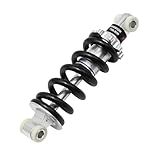
MDEOOSKY 160mm 750lb Rear Shock Absorbe Rear Shock Suspension Spring with Screws for Bicycle Gas Scooter Electric Bike Replacement for Minimoto Dirt Bike 47cc 54cc ATV Quad Mini Pocket Bike


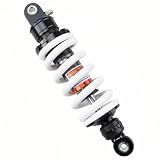
AuryngMD 270mm 10.6” Adjustable Rear Shock Absorber, Rebound & Preload Adjustable Heavy Duty Spring Suspension Shock 800 lbs Max Load for Dirt Bike Pit Bike Mini Bike Electric Dirt Bike ATV Motorcycle
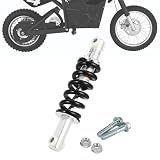
IUVWISN Rear Shock Absorber MX650 MX500 SX500, 8.7'' 221mm Suspension for MX 650 500 Electric Dirt Pit Bike
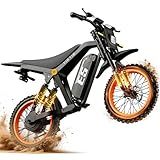
Tietie Electric Dirt Bike, 1500W Peak Electric Motorcycle with 48V 20AH Battery, Full Disc Brake and Suspensions, 50-Mile Range, 32 MPH, LCD Display & NFC Start, Off-Road E Dirt Bike for Teens Adults
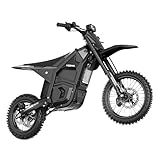
Yozma IN10 Electric Dirt Bike, 2600W 40MPH Electric-Motorcycle with 48V/23AH Battery Ebike, Full Hydraulic Brakes and Suspensions Mountain Off-Road E Dirt Bike, for Teens & Adults
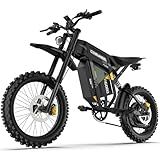
COSWHEEL Electric Dirt Bike for Adults, 7000W Peak Motor Electric Motorcycle, 60V 30Ah Battery, up to 55MPH Off Road Electric Bike, 17" Dirt Tires, Dual Suspension, Hydraulic Brakes
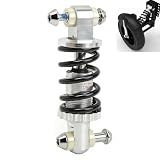
Tissting Bike Rear Shock Absorber 100mm 300lbs 8mm Hole Universal Electric Scooter Damping Suspension Spring Shock Damper for Dirt Bike, Electric Bikes, Mini Motorcycle, ATV
To adjust the suspension on an electric dirt bike for adults, start by identifying the type of suspension your bike has - whether it's air or coil spring.
For bikes with air suspension, you can adjust the pressure in the fork and shock using a shock pump. To do this, refer to the manufacturer's guidelines for the recommended pressure range based on your weight and riding style.
For bikes with coil spring suspension, you can adjust the preload by turning the preload collar located on the shocks. Again, refer to the manufacturer's recommendations for the ideal preload setting based on your weight and riding style.
Make incremental adjustments and test ride your bike to see how the changes impact the handling and feel of the bike. Keep in mind that suspension adjustments are a personal preference and may require some trial and error to find the perfect setup that works for you. If you're unsure about how to adjust your bike's suspension, consult a professional bike mechanic for assistance.
How do I know if the suspension on an electric dirt bike is too soft?
There are a few signs that can indicate that the suspension on an electric dirt bike is too soft:
- Excessive bottoming out: If you find that the suspension is bottoming out frequently when riding over bumps or jumps, it may be a sign that it is too soft.
- Unstable handling: A bike with overly soft suspension may feel unstable and difficult to control, especially at higher speeds or in rough terrain.
- Excessive sag: When sitting on the bike, if you notice that the suspension sags significantly under your weight, it may be too soft.
- Harsh ride: If the suspension feels overly bouncy or jarring, it may be a sign that it is too soft and not adequately dampening the impacts from the terrain.
If you notice any of these signs, you may want to consider adjusting the suspension settings or consulting a professional to determine if the suspension needs to be adjusted or upgraded.
How do I adjust the spring rate on the suspension of an electric dirt bike?
Adjusting the spring rate on the suspension of an electric dirt bike typically involves adjusting the preload on the spring. Here's how you can do it:
- Locate the preload adjuster on the suspension. It is usually a dial or knob located near the top of the shock absorber.
- Turn the adjuster clockwise to increase the preload and stiffen the spring rate, or turn it counterclockwise to decrease the preload and soften the spring rate.
- Adjust the preload based on your weight, riding style, and terrain. If you are a heavier rider or riding on rough terrain, you may want to increase the preload for better handling and performance. On the other hand, if you are a lighter rider or riding on smooth terrain, you may want to decrease the preload for a smoother ride.
- Test the suspension after making adjustments to ensure that it feels comfortable and performs well. Make further adjustments as needed until you find the right balance for your riding preferences.
It's important to note that adjusting the spring rate on the suspension can have a significant impact on the handling and performance of your electric dirt bike, so it's recommended to consult the owner's manual or a professional mechanic if you are unsure of how to make the adjustments properly.
What is the maximum recommended suspension travel for an adult electric dirt bike?
The maximum recommended suspension travel for an adult electric dirt bike is typically around 8 to 12 inches. This range provides sufficient suspension travel to absorb the impact of rough terrain and provide a comfortable ride for the rider.
How does the rider's weight impact suspension adjustments on an electric dirt bike?
The rider's weight can have a significant impact on suspension adjustments for an electric dirt bike. Heavier riders will put more stress on the suspension system, causing it to compress more and potentially bottom out more easily. This can lead to a harsher ride and reduced control over rough terrain.
To counteract this, adjustments can be made to the suspension settings such as increasing the preload, adjusting the rebound and compression damping, or potentially upgrading to heavier-duty suspension components. These adjustments will help the suspension system better handle the added weight of the rider, providing a smoother and more controlled ride. Ultimately, it is important for riders to properly set up their suspension to match their weight and riding style for optimal performance and comfort.
How do I adjust the suspension on an electric dirt bike to improve cornering performance?
To adjust the suspension on an electric dirt bike to improve cornering performance, you can follow these steps:
- Determine the sag: Measure the sag of the front and rear suspension by sitting on the bike in the riding position with all your gear on. The sag should be around 30-40% of the total suspension travel for the front and rear suspension.
- Adjust the preload: If the sag is not within the recommended range, adjust the preload on the front and rear suspension to achieve the proper sag. Increasing preload will stiffen the suspension and decrease sag, while decreasing preload will soften the suspension and increase sag.
- Adjust the compression damping: Compression damping controls how quickly the suspension compresses when hitting a bump. If the bike feels too harsh over bumps or during cornering, you can soften the compression damping. If the bike feels too soft and bottoms out easily, you can stiffen the compression damping.
- Adjust the rebound damping: Rebound damping controls how quickly the suspension extends back to its original position after compressing. If the bike feels unstable or bouncy during cornering, you can stiffen the rebound damping. If the bike feels harsh or doesn't track well over bumps, you can soften the rebound damping.
- Test and adjust: After making changes to the suspension settings, take the bike for a test ride to see how it feels. Make small adjustments and test again until you find the optimal setup for improved cornering performance.