
Best Bass Guitar Amplification Tools to Buy in September 2026
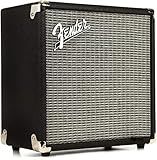
Fender Rumble 15 V3 Bass Amp for Bass Guitar, 15 Watts, with 2-Year Warranty 6 Inch Speaker, with Overdrive Circuit and Mid-Scoop Contour Switch
- COMPACT DESIGN: EASY TO TRANSPORT, PERFECT FOR PRACTICE OR GIGS.
- SHOW-QUALITY SOUND: 15 WATTS AND 8 SPEAKER FOR RICH BASS TONES.
- RELIABLE WARRANTY: 2-YEAR COVERAGE FOR PEACE OF MIND AND QUALITY ASSURANCE.


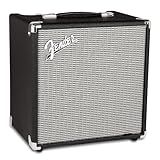
Fender Rumble 25 V3 Bass Amplifier, Bass Combo Amp, 25 Watts, with 2-Year Warranty, 8 Inch Speaker, with Overdrive Circuit and Mid-Scoop Contour Switch
-
RICH FENDER TONE: ENJOY 25 WATTS OF PURE BASS SOUND AND DEPTH.
-
VERSATILE CONNECTIVITY: AUX INPUT AND HEADPHONE JACK FOR EASY PRACTICE.
-
DURABLE QUALITY: 2-YEAR WARRANTY ENSURES RELIABLE PERFORMANCE AND PEACE.
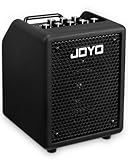
JOYO 30W Bass Amp Portable Combo Amplifier 4" Speaker with Bluetooth 5.1 + OTG Direct Recording | 3-Band EQ + Compressor | Headphone Practice for Bassist Livestream Solo Gigs (Vibe Cube BA-30, Black)
-
PROFESSIONAL BASS SOUND WITH 30W POWER & COMPACT DESIGN!
-
VERSATILE 3-BAND EQ + MID FREQ FOR CUSTOM TONE SHAPING!
-
STREAM VIA BLUETOOTH; PERFECT FOR RECORDING & LIVE DEMOS!
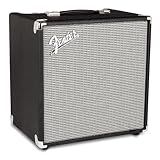
Fender Rumble 40 V3 Bass Amp for Bass Guitar, 40 Watts, with 2-Year Warranty Speaker, with Overdrive Circuit and Mid-Scoop Contour Switch
-
POWERFUL 40 WATTS WITH A 10 FENDER SPEAKER FOR RICH BASS TONE.
-
VERSATILE OVERDRIVE CIRCUIT AND CONTOUR CONTROLS FOR UNIQUE SOUND.
-
COMPACT, LIGHTWEIGHT DESIGN WITH A REMOVABLE GRILLE FOR EASY TRANSPORT.
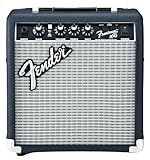
Fender Frontman 10G Guitar Amp, 10 Watts, with 2-Year Warranty, 6 Inch Fender Special Design Speaker, 5.75Dx10.25Wx11H Inches
-
COMPACT 10W AMP: PERFECT FOR PRACTICE AND SMALL GIGS!
-
VERSATILE TONES: FROM BLUES TO METAL, IT DELIVERS QUALITY SOUND.
-
RELIABLE WARRANTY: 2 YEARS OF COVERAGE FOR PEACE OF MIND!
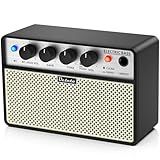
Ueteto 10W Mini Bass Amp, Portable and Rechargeable Bass Guitar Practice Amplifier with Clean and Drive Channels
- POWERFUL SOUND IN A COMPACT DESIGN: PERFECT FOR PRACTICE ANYWHERE!
- ENJOY 4 HOURS OF PLAYTIME: RECHARGEABLE FOR EXTENDED JAMMING SESSIONS!
- SEAMLESS VOLUME CONTROL: EASY ADJUSTMENTS FOR AUX AND BLUETOOTH INPUTS!
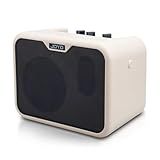
JOYO 10W Mini Bass Amp Bass Guitar Practice Amp Combo Bass Amplifier Portable Small Battery Powered Bass Amp Dual Channel (MA-10B)
-
SWITCHABLE CHANNELS FOR VERSATILE SOUND-NORMAL/DRIVE SETTINGS.
-
COMPACT AND LIGHTWEIGHT DESIGN-PERFECT FOR PRACTICING ON THE GO.
-
HEADPHONE AND AUX INPUTS-JAM QUIETLY WITHOUT DISTURBING OTHERS.
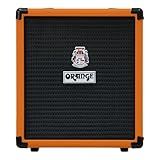
Orange Crush Bass 25 25W 8" Bass Guitar Amplifier and Speaker Combo, Orange
- TAILOR YOUR SOUND WITH ACTIVE 3 BAND EQ FOR PERFECT TONES.
- ACHIEVE PRECISE ADJUSTMENTS USING PARAMETRIC MID CONTROL.
- ENJOY SILENT PRACTICE WITH CABSIM LOADED HEADPHONE OUTPUT.
Amplifying a bass guitar in a live performance setting is essential to ensure that the low frequencies produced by the instrument are heard clearly by the audience.
One common way to amplify a bass guitar is to use a bass amplifier, which is specifically designed to handle the low frequencies produced by the instrument. These amplifiers typically have a larger speaker and more power than guitar amplifiers to effectively project the bass sound.
In addition to using a bass amplifier, many bass players also use a direct input box, or DI box, to connect their instrument to the sound system. This allows for a cleaner signal to be sent to the mixing board, where it can be further adjusted and equalized to achieve the desired sound.
It is also important to consider the placement of the bass amplifier on stage to ensure that the sound is projected evenly throughout the venue. Experimenting with different placements and settings can help to achieve the best sound for the performance.
Overall, amplifying a bass guitar in a live performance setting requires a combination of the right equipment, proper technique, and experimentation to achieve the desired sound for the audience.
What is the importance of soundcheck when amplifying a bass guitar in a live performance setting?
Soundcheck is crucial when amplifying a bass guitar in a live performance setting for several reasons:
- Balancing levels: Soundcheck allows the sound engineer to adjust the levels of the bass guitar in relation to the other instruments and vocals in the mix. This ensures that the bass guitar is not too quiet or too loud, and that all instruments are balanced correctly for a cohesive sound.
- EQ adjustments: Soundcheck enables the sound engineer to make EQ adjustments to the bass guitar to ensure that it cuts through the mix and sounds clear and full without being muddy or overpowering.
- Monitor mix: Soundcheck allows the bassist to hear themselves clearly in their monitor mix, enabling them to play accurately and confidently. It also allows the sound engineer to make sure that the bass guitar is being heard clearly by the audience.
- Feedback prevention: Soundcheck helps the sound engineer identify and eliminate any potential feedback issues that may arise when amplifying the bass guitar, ensuring a clean and professional sound throughout the performance.
Overall, soundcheck is essential when amplifying a bass guitar in a live performance setting to ensure that the instrument sounds its best and complements the overall sound of the band.
How to choose the right bass guitar amp for a live performance?
- Consider the venue size and type: If you are playing in a large venue, you will need a higher wattage amp to ensure your bass guitar's sound projects throughout the space. For smaller venues, a smaller amp may suffice.
- Determine your budget: Bass guitar amps can range in price from a couple hundred dollars to several thousand dollars. Determine how much you are willing to spend before shopping for amps.
- Look for a versatile amp: Consider an amp that offers a variety of sound settings and controls so you can easily adjust your tone to suit different songs or venues.
- Pay attention to the amp's size and weight: If you will be transporting your amp frequently for performances, consider the size and weight of the amp. A lightweight and portable amp may be more convenient for gigging musicians.
- Test out different amps: Before making a purchase, try out different amps to see which one best suits your playing style and sound preferences. Consider factors such as tone, clarity, and power.
- Consider the specific features you need: Do you need built-in effects, multiple channels, or a DI output? Make sure the amp you choose has the features that are important to you for live performances.
- Read reviews and get recommendations: Before making a final decision, read reviews from other musicians and seek recommendations from fellow bass players. They may have insights into which amps perform best in a live setting.
How to ensure bass guitar sound is balanced in a live mix?
- Use a high-quality bass guitar with good pickups and a professional-grade amplifier to ensure a clear and balanced sound.
- Communicate with the sound engineer before the performance to let them know the desired tone and level of the bass guitar in the mix.
- Soundcheck the bass guitar before the performance to make adjustments to the EQ settings on the amplifier and ensure the volume level is balanced with the rest of the instruments.
- Use a DI box to connect the bass guitar to the sound system, which can help prevent interference and provide a cleaner signal to the mixer.
- Work with the sound engineer during the performance to make any necessary adjustments to the bass guitar levels in the mix.
- Consider using effects pedals or processors to enhance the tone and dynamics of the bass guitar without overpowering the mix.
- Monitor the sound levels throughout the performance to ensure the bass guitar sound remains balanced with the rest of the instruments.
- Practice good playing technique to ensure a consistent and even sound from the bass guitar, which will make it easier to mix in a live setting.