
Best High End Graphics Cards to Buy in October 2026
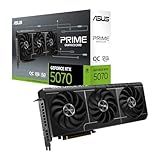
ASUS The SFF-Ready Prime GeForce RTX™ 5070 OC Edition Graphics Card, NVIDIA, Desktop (PCIe® 5.0, 12GB GDDR7, HDMI®/DP 2.1, 2.5-Slot, Axial-tech Fans, Dual BIOS)
- UNLOCK AI-ENHANCED GAMING WITH NVIDIA DLSS 4 FOR STUNNING VISUALS.
- COMPACT DESIGN FITS SFF BUILDS WHILE DELIVERING TOP-NOTCH COOLING.
- ENJOY QUIET PERFORMANCE WITH DUAL BIOS AND 0DB TECHNOLOGY FOR LIGHT GAMING.


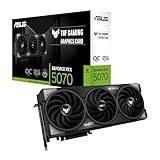
ASUS TUF GeForce RTX™ 5070 12GB GDDR7 OC Edition Graphics Card, NVIDIA, Desktop (PCIe® 5.0, HDMI®/DP 2.1, 3.125-Slot, Military-Grade Components, Protective PCB Coating, Axial-tech Fans)
-
EXPERIENCE STUNNING GRAPHICS WITH NVIDIA BLACKWELL & DLSS 4 TECH!
-
BUILT TO LAST: MILITARY-GRADE COMPONENTS & PROTECTIVE PCB COATING.
-
OPTIMIZE COOLING & PERFORMANCE WITH ADVANCED AIRFLOW AND GPU TWEAK III.
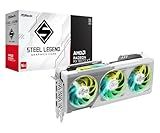
ASRock AMD Radeon RX 9070 XT Steel Legend 16GB White GPU 20Gbps GDDR6 256Bit (3rd Gen RT 2nd Gen AI Accelerators) PCIe5.0 800W 2x8-pin Triple Fan DP2.1a HDMI2.1b Graphics Card 2.9 Slot
-
UNMATCHED PERFORMANCE: AMD RDNA 4 DELIVERS TOP-TIER GAMING AND CONTENT CREATION.
-
BLAZING FAST SPEEDS: EXPERIENCE 4K GAMING WITH BOOST CLOCKS UP TO 2970 MHZ.
-
ADVANCED COOLING: TRIPLE FAN SYSTEM ENSURES OPTIMAL THERMAL PERFORMANCE UNDER LOAD.
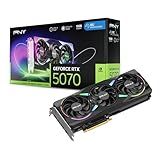
PNY NVIDIA GeForce RTX™ 5070 Epic-X™ ARGB OC Triple Fan, Graphics Card (12GB GDDR7, 192-bit, Boost Speed: 2685 MHz, SFF-Ready, PCIe® 5.0, HDMI®/DP 2.1, 2.4-Slot, Blackwell Architecture, DLSS 4)
- AI-POWERED DLSS BOOSTS FPS AND ENHANCES IMAGE QUALITY FOR GAMERS.
- REFLEX TECHNOLOGIES DELIVER UNMATCHED RESPONSIVENESS AND AIM PRECISION.
- UNLOCK ADVANCED AI FEATURES WITH NVIDIA GEFORCE RTX FOR CREATORS.
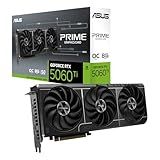
ASUS The SFF-Ready Prime GeForce RTX™ 5060 Ti 8GB GDDR7 OC Edition Graphics Card (PCIe® 5.0, 8GB GDDR7, HDMI®/DP 2.1, 2.5-Slot, Axial-tech Fans, Dual BIOS)
- UNMATCHED AI PERFORMANCE: 772 AI TOPS FOR SUPERIOR EFFICIENCY.
- OVERCLOCKED AT 2647 MHZ FOR PEAK GAMING PERFORMANCE.
- ENHANCED COOLING WITH AXIAL-TECH FANS FOR OPTIMAL AIRFLOW.
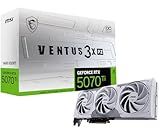
msi Gaming RTX 5070 Ti 16G Ventus 3X PZ OC Graphics Card (16GB GDDR7, 256-bit, Extreme Performance: 2482 MHz, DisplayPort x 3 2.1a, HDMI 2.1b, NVIDIA Blackwell Architecture)
- EXPERIENCE ULTRA-FAST GAMING WITH NVIDIA BLACKWELL & DLSS 4!
- SFF-READY DESIGN FOR POWERFUL PERFORMANCE IN COMPACT BUILDS.
- ADVANCED COOLING WITH TORX FAN 5.0 AND COPPER BASEPLATE TECHNOLOGY.
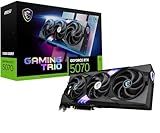
msi RTX 5070 12G Gaming Trio OC Graphics Card (12GB GDDR7, 192-bit, Extreme Performance: 2625 MHz, DisplayPort x3 2.1a, HDMI 2.1b, NVIDIA Blackwell Architecture)
- NEXT-GEN NVIDIA BLACKWELL & DLSS 4 FOR STUNNING VISUALS.
- TRI FROZR 4 DESIGN: UNMATCHED COOLING & WHISPER-QUIET OPERATION.
- OPTIMIZED AIRFLOW WITH STORMFORCE FAN FOR PEAK PERFORMANCE.
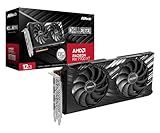
ASRock AMD Radeon RX 7700 XT Challenger 12GB GDDR6 192-bit 0dB Silent Cooling 7680 x 4320 DisplayPort HDMI LED Indicator 18Gbps Dual Fan Graphics Card
- HIGH-PERFORMANCE GAMING WITH AMD RADEON RX7700XT GRAPHICS!
- 2-YEAR WARRANTY FOR PEACE OF MIND AND RELIABILITY.
- MULTIPLE DISPLAYPORT & HDMI PORTS FOR VERSATILE CONNECTIVITY.
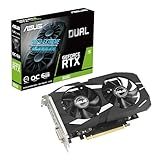
ASUS Dual NVIDIA GeForce RTX 3050 6GB OC Edition Gaming Graphics Card - PCIe 4.0, 6GB GDDR6 Memory, HDMI 2.1, DisplayPort 1.4a, 2-Slot Design, Axial-tech Fan Design, 0dB Technology, Steel Bracket
-
DOUBLE THE FP32 THROUGHPUT FOR UNMATCHED PERFORMANCE AND EFFICIENCY.
-
EXPERIENCE REVOLUTIONARY RAY-TRACING WITH 2X THROUGHPUT AND SHADING.
-
BOOST GAME PERFORMANCE WITH ADVANCED AI AND 2X TENSOR CORE SPEED.
Choosing a High-End GPU in 2026: What You Need to Know
In the constantly evolving world of technology, high-end graphics cards are essential upgrades for avid gamers, digital artists, and data scientists alike. By 2026, the landscape for these components continues to grow more sophisticated, making it crucial to understand the various factors that influence your purchase decision. In this guide, we'll walk you through the critical considerations and techniques for selecting the right high-end GPU to meet your unique needs without a hitch.
Understanding Your Needs
Before diving into the realm of high-end GPUs, it’s essential to identify your specific needs and how a GPU upgrade aligns with them. High-end graphics cards aren't just for gaming anymore. They power immersive virtual realities, render complex 3D designs, and accelerate data-intensive AI operations.
- Gaming: If gaming is your priority, look for GPUs that support the latest AAA titles with ray tracing and high refresh rates.
- Content Creation: For video editing or 3D rendering, choose a GPU that can handle large datasets and generate real-time previews.
- Machine Learning and AI: Professionals working with machine learning frameworks like TensorFlow or PyTorch should ensure their GPUs offer compatible performance for seamless operations. You can read more about TensorFlow GPU compatibility and optimizing PyTorch GPU memory usage.
How to Choose a High-End GPU
Once you’ve pinpointed your needs, the next step is to consider the following criteria to make a well-informed choice:
Performance Metrics
- Clock Speed: Higher clock speeds generally translate to better performance. Compare the base and boost clock speeds to understand how the GPU will perform under heavy loads.
- CUDA Cores / Stream Processors: More cores enable the GPU to handle multiple simultaneous operations, essential for tasks like rendering and AI computations.
- Memory Bandwidth: Sufficient bandwidth ensures that your GPU can handle the demands of high-resolution displays and complex computations.
Compatibility
- System Compatibility: Check your system's power supply and motherboard to ensure they can support the chosen GPU, including necessary PCIe slots and connectors.
- Software Compatibility: Ensure the selected GPU works seamlessly with the software you employ in your tasks. External GPUs can be a solution for specific rendering tasks, which you can read more about here.
Future-Proofing
- Ray Tracing and DLSS Support: Future-proof your investment by selecting a GPU that supports advanced rendering technologies.
- Resolution Support: If you're working with 4K or higher resolutions, ensure your GPU can handle the associated graphics demands.
Power Consumption and Thermal Management
High-end GPUs tend to consume more power and can run hot, affecting your choice in terms of your power supply and cooling system requirements. Keep an eye on power ratings and seek efficient cooling solutions to maintain performance.
Cost vs. Performance
While high-end GPUs typically come with a premium price tag, assessing the performance value per dollar can significantly impact your decision-making process. Analyze benchmark results against the actual gaming frames per second or render times to evaluate their effectiveness.
Frequently Asked Questions
1. How often should I upgrade my GPU?
The lifespan of a GPU depends on its initial performance and your specific needs. Generally, upgrading every 3-5 years is advisable to keep up with performance advancements and software requirements.
2. Can a high-end GPU bottleneck my system?
A GPU can be bottlenecked if other components, like the CPU or RAM, fail to keep up with its performance. Ensure balanced system specs to minimize potential bottlenecks.
3. What’s the importance of VRAM in a GPU?
VRAM is critical for storing frame buffers and computing operations, especially in high-resolution graphics and multitasking environments. More VRAM enables smoother transitions and processing.
4. Do I need an external cooling solution for high-end GPUs?
While most GPUs come with built-in cooling fans, high-performance tasks may necessitate additional cooling solutions, such as liquid cooling systems, to maintain optimal performance and prevent overheating.
In conclusion, choosing a high-end GPU in 2026 involves a mix of understanding specific needs, evaluating performance metrics, and ensuring future compatibility. By following these guidelines, you can make an educated decision that maximizes your investment and enhances your technological pursuits.