
Best Electric Dirt Bike Motors to Buy in October 2026
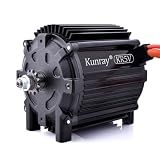
Kunray KR5V V2 Electric Brushless DC Motor 72V 5000W 6800rpm Peak
- POWERFUL 5000W MOTOR WITH PEAK PERFORMANCE UP TO 10KW!
- ADVANCED V-MAGNET ROTOR TECHNOLOGY FOR ENHANCED EFFICIENCY.
- VERSATILE APPLICATION FOR GO-KARTS, DIRT BIKES, AND MORE!


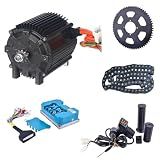
Kunray KR5V 72V 5000W Electric Brushless DC Motor Kit Temperature Sensing
-
POWERFUL PERFORMANCE: 72V 5000W MOTOR WITH PEAK TORQUE OF 35N.M, MAX 8000RPM.
-
DURABLE DESIGN: IP54 RATING AND CLASS F INSULATION ENSURE RELIABLE USE ANYWHERE.
-
EFFICIENT COOLING: INNOVATIVE HEAT DISSIPATION FEATURES EXTEND MOTOR LIFESPAN.
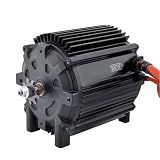
Electric Brushless DC Motor 72V 5000W Peak 8000RPM Scooter Motor KR5V V2
-
POWERFUL 5000W MOTOR: HIGH EFFICIENCY WITH 90% POWER SAVINGS FOR PEAK PERFORMANCE.
-
ADVANCED V-MAGNET DESIGN: SMOOTHER TORQUE AND ENHANCED LIFESPAN WITH REAL-TIME TEMP CONTROL.
-
DURABLE & VERSATILE: IP54 RATED FOR OUTDOOR USE; IDEAL FOR DIY KITS AND HIGH-POWER APPLICATIONS.
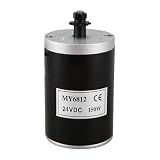
24V 150W Scooter Motor for Razor MX125 Dirt Bike, E100 Motor Replacement
- HIGH EFFICIENCY: OPERATES AT ≥78% EFFICIENCY, MINIMIZING ENERGY LOSS.
- VERSATILE USE: FITS VARIOUS RAZOR MODELS; IDEAL FOR UPGRADES AND MODS.
- DURABLE DESIGN: METAL AND ALUMINUM ALLOY ENSURE LONG-LASTING PERFORMANCE.
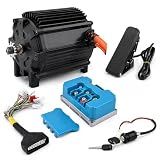
72V 5000W Motor Kit Fardriver Controller Electric Brushless DC Motor Kit
-
UNMATCHED POWER: 5000W MOTOR WITH PEAK OUTPUT OF 10KW FOR MAX SPEED.
-
SMART PROTECTION: IP54 RATED & TEMPERATURE SENSORS FOR RELIABLE SAFETY.
-
EASY INSTALLATION: VERSATILE FIT FOR ATVS, E-SCOOTERS, AND DIRT BIKES.
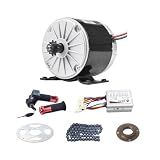
24V 350W Brushed Electric Motor Kit, Speed Controller, Throttle with Key
- HIGH EFFICIENCY MOTOR: 350W POWER & 3000RPM FOR PEAK PERFORMANCE.
- RELIABLE CONTROLLER: OVER-CURRENT PROTECTION ENSURES SAFE OPERATION.
- VERSATILE APPLICATIONS: IDEAL FOR VARIOUS ELECTRIC BIKES AND DIY PROJECTS.
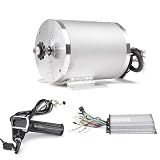
Electric Brushless DC Motor Kit,48V 2000W Motor,33A Controller,LCD Throttle
- HIGH EFFICIENCY: 2000W POWER ENSURES RELIABLE SPEED ON TOUGH TERRAINS.
- VERSATILE USE: PERFECT FOR SCOOTERS, MOTORCYCLES, GO-KARTS, AND MORE!
- USER-FRIENDLY: LCD TWIST THROTTLE WITH POWER INDICATOR FOR EASY CONTROL.
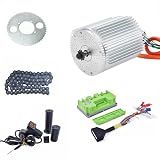
72V Motor Kit 3000W 6700RPM Electric Brushless Motor for Go Kart Scooter
- POWERFUL PERFORMANCE: 3000W MOTOR DELIVERS SPEEDS UP TO 6700 RPM.
- SMART SAFETY FEATURES: TEMPERATURE SENSING ENSURES MOTOR LONGEVITY.
- COMPLETE KIT: INCLUDES EVERYTHING FOR EASY INSTALLATION AND UPGRADES.
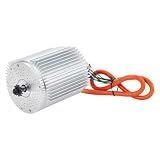
Kunray Electric DC Motor 48V 2000W Max Speed 5700rpm
-
POWERFUL 2000W MOTOR: ACHIEVE PEAK PERFORMANCE WITH STABLE 4300RPM SPEED.
-
VERSATILE USE: PERFECT FOR SCOOTERS, MINI BIKES, AND DIY PROJECTS.
-
HIGH EFFICIENCY: DURABLE COPPER COILS ENSURE FASTER COOLING AND LONGEVITY.
To install a new motor on an electric dirt bike for adults, you will first need to gather all the necessary tools and equipment. Make sure to carefully read the manufacturer's instructions for installing the motor and follow them closely to avoid damaging the bike.
Start by removing the old motor from the bike, taking note of how it was connected and positioned. Next, carefully attach the new motor to the bike according to the manufacturer's instructions. Make sure all connections are secure and the motor is properly aligned.
Once the new motor is installed, double-check all connections and make any necessary adjustments. Test the bike to ensure the motor is functioning properly before riding it.
If you encounter any issues during the installation process, refer to the manufacturer's instructions or seek assistance from a professional mechanic. It's important to properly install the new motor to ensure the safety and performance of the electric dirt bike for adults.
How to install a motor controller for the new electric motor?
Installing a motor controller for a new electric motor can vary depending on the specific motor and controller you have. However, here are some general steps to help you get started:
- Ensure the power supply is turned off before starting any installation work.
- Identify the terminals on both the motor and the motor controller. The motor controller should have terminals for power input, motor output, and control signals.
- Connect the power supply cables to the input terminals of the motor controller. Make sure to follow the manufacturer's instructions for the correct wiring configuration.
- Connect the motor cables to the output terminals of the motor controller. Pay attention to the motor's wiring diagram to ensure the correct connection.
- Connect any control signal cables to the appropriate terminals on the motor controller. This may include signal cables for speed control, direction control, or any other control functions.
- Secure the connections with appropriate connectors and fasteners to ensure a stable and safe installation.
- Double-check all connections to ensure they are secure and correctly wired.
- Once all connections are made, turn on the power supply and test the motor controller to ensure it is functioning correctly.
- If the motor is operating properly, secure the motor controller in place using mounting brackets or screws.
- Follow any additional instructions provided by the manufacturer for calibration or programming of the motor controller, if necessary.
Remember to always refer to the specific motor controller manufacturer's instructions and guidelines for installation to ensure the proper and safe operation of your motor. If you are not comfortable with electrical work, it is recommended to seek the assistance of a professional electrician or technician.
What is the correct wiring sequence for the motor controller?
The correct wiring sequence for a motor controller typically involves connecting the power supply to the positive and negative terminals of the controller, then connecting the motor to the output terminals of the controller. It is important to follow the manufacturer's instructions and consult the wiring diagram provided with the motor controller to ensure correct installation and operation.
How to properly ground the electrical components on the dirt bike?
- Locate a suitable grounding point on the bike: Look for a clean, unpainted metal surface on the frame or engine that can serve as a grounding point.
- Clean the grounding point: Use a wire brush or sandpaper to clean any rust, paint, or debris from the chosen grounding point to ensure a good connection.
- Prepare the ground wire: Cut a length of wire that is long enough to reach from the electrical component to the grounding point. Strip about 1/2 inch of insulation from each end of the wire.
- Attach the ground wire to the component: Connect one end of the ground wire to the grounding terminal on the electrical component. This may involve using a screw, bolt, or attaching a terminal connector.
- Attach the ground wire to the grounding point: Attach the other end of the ground wire to the chosen grounding point on the bike. Again, this may involve using a screw, bolt, or terminal connector to secure the connection.
- Test the grounding connection: Once the ground wire is securely attached, turn on the bike and test the electrical component to ensure it is functioning properly. If everything is working as it should, the grounding connection is successful.
- Secure the ground wire: Use zip ties or electrical tape to secure the ground wire along the frame or other secure locations to prevent it from getting caught or damaged while riding.