Best Headlamp Replacement Headbands to Buy in October 2026
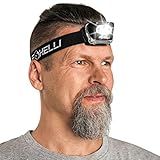
Foxelli LED Headlamp Flashlight for Adults & Kids, Running, Camping, Hiking Head Lamp with White & Red Light, Comfortable Headband, Lightweight & Waterproof, 3 AAA Batteries
- SUPER BRIGHT LED WITH 165 FT BEAM; MULTIPLE MODES FOR ALL NEEDS.
- WATERPROOF, DURABLE DESIGN RATED IPX5-BUILT TO WITHSTAND THE ELEMENTS.
- LIGHTWEIGHT AT 3.2 OZ; PERFECT FIT FOR LONG-DISTANCE RUNNERS AND ADVENTURERS.


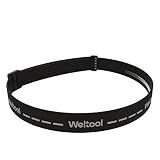
Weltool Elastic Headlamp Strap Replacement Headband for Most Black Diamond Petzl Energizer Pelican Fenix Headlamps 1”Width Comfortable Band
-
UNIVERSAL FIT: COMPATIBLE WITH MOST HEADLAMPS FOR ADDED VERSATILITY.
-
NON-SLIP DESIGN: INNER SILICONE STRIP KEEPS IT SECURELY IN PLACE DURING ACTIVITY.
-
DURABLE & REFLECTIVE: STRONG FASTENERS AND REFLECTIVE STRIPS ENHANCE SAFETY.
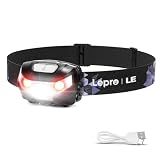
Lepro LED Headlamp Rechargeable IPX4 Waterproof Headlight 5 Modes - Black
- ILLUMINATE 500FT WITH 300 LUMENS & 5 VERSATILE LIGHT MODES!
- USB-RECHARGEABLE: 30 HOURS OF LIGHTING ON A SINGLE CHARGE!
- LIGHTWEIGHT, ADJUSTABLE & WATERPROOF FOR ULTIMATE COMFORT OUTDOORS!
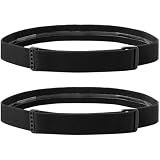
Headlamp Strap Replacement Headband, Headlamp Bands, Headlight Strap
-
FITS MOST HEADLAMPS: UNIVERSAL COMPATIBILITY WITH MAJOR BRANDS.
-
COMFORTABLE & ADJUSTABLE: HIGH-ELASTIC MATERIAL FOR ALL HEAD SIZES.
-
NON-SLIP DESIGN: STAYS IN PLACE DURING SPORTS, PREVENTING SWEAT FLOW.
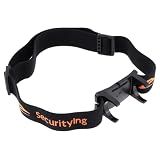
SecurityIng Head Lamp Strap with 1-1.02in Bracket, 1 Pcs
- EASY INSTALL/REMOVAL; PERFECT FOR ON-THE-GO ADVENTURES!
- DURABLE STRETCH NYLON; ANTI-AGING AND UV PROTECTION INCLUDED.
- FITS 22-26MM HEADLAMPS; STAYS SECURE DURING INTENSE ACTIVITIES!
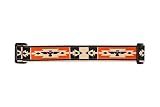
OUTDOOR ENLIGHTENMENT Third Eye Headlamps - Stylish Artist-Designed Replacement Bands - Soft, Adjustable, Universal, Fits Most Headlamps (Thunderbird)
-
UNIVERSAL FIT: COMPATIBLE WITH MOST MAJOR HEADLAMP BRANDS!
-
DURABLE & STYLISH: ENGINEERED FOR PERFORMANCE WITH MODERN DESIGN.
-
ADJUSTABLE COMFORT: VERSATILE WEAR FOR ALL OUTDOOR ADVENTURES!
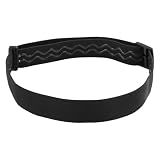
Elastic Headlamp Strap, Black Headlamp Strap Replacement Headband Comfortab
- COMPATIBLE CON FAROS DE MARCAS RECONOCIDAS; UN AJUSTE PERFECTO.
- HECHO DE NYLON Y PLÁSTICO DURADERO; RESISTENCIA GARANTIZADA.
- DISEÑO ANTIDESLIZANTE Y CÓMODO; IDEAL PARA ACTIVIDADES AL AIRE LIBRE.
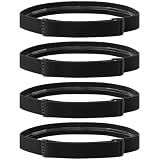
Headlamp Strap Replacement Headband, Elastic Headlight Strap Replacement for Black Diamond, Petzl, Energizer, Pelican, Fenix Headlamps 1”, Adjustable Width Comfortable Band (Silicone Anti-Slip) 4 Pack
- UNIVERSAL FIT: COMPATIBLE WITH MAJOR BRANDS FOR VERSATILE USE.
- NON-SLIP DESIGN: STAYS SECURE DURING ACTIVITIES, PREVENTING SWEAT DISTRACTION.
- DURABLE CONSTRUCTION: HIGH-QUALITY MATERIALS ENSURE LONG-LASTING PERFORMANCE.
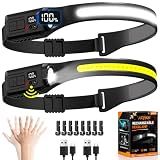
Headlamp Rechargeable 2P, 230° LED Head Lamp for Adults with Motion Sensor
-
7 MODES & 230° BEAM: VERSATILE LIGHTING FOR EVERY OUTDOOR ACTIVITY!
-
RECHARGEABLE POWER: LONG-LASTING BATTERY WITH FAST TYPE-C CHARGING!
-
SMART MOTION SENSOR: HANDS-FREE CONTROL, PERFECT FOR BUSY HANDS!
To replace the headband on a headlamp, you'll need to follow these steps:
- Begin by removing the headlamp from the existing headband, if it is still attached. Most headlamps can be easily detached by sliding it out of the headband bracket or clip.
- Obtain a new headband that is compatible with your headlamp. You can find replacement headbands at outdoor gear stores or through the manufacturer's website. Make sure it is the appropriate size and style for your headlamp.
- Take the new headband and locate the attachment points on both sides. These could be clips, brackets, or loops where the headlamp should be connected.
- Align the attachment points on the headlamp with those on the new headband. Slide the headlamp securely into the bracket, clip, or loop, ensuring a tight fit.
- Once the headlamp is properly attached to the headband, adjust the strap's length to fit your head comfortably. Most headbands have an adjustable mechanism such as a buckle, strap adjuster, or Velcro closure. Tighten or loosen the strap as needed.
- Put the headband on your head and verify that the headlamp is positioned correctly and facing forward. Adjust the angle of the lamp if necessary, ensuring it points directly in front of you and provides adequate illumination.
- You can further fine-tune the fit by adjusting the tension or tightness of the headband. Depending on the headband's design, this might involve tightening or loosening straps, sliding adjusters, or using fastening mechanisms provided.
That's it! You have successfully replaced the headband on your headlamp. Make sure to verify that the headlamp is securely fixed and the headband provides a comfortable and secure fit before using it in outdoor activities or adventures.
How to secure the new headband onto a headlamp?
Securing a new headband onto a headlamp is a fairly simple process. Here are the steps to follow:
- First, ensure that you have a replacement headband that is compatible with your headlamp. Check if it has the necessary attachment points or loops to fit onto your headlamp.
- Locate the attachment points on your headlamp where the original headband was connected. These are usually located on the sides or top of the headlamp.
- Take one end of the new headband and thread it through one of the attachment points on the headlamp.
- Pull the headband through until it is snug and secure. Make sure it is positioned in a way that will provide a comfortable fit on your head.
- Repeat the previous step for the other end of the headband, threading it through the remaining attachment point on the headlamp.
- Once both ends of the headband are threaded through the attachment points, adjust the length of the headband to fit your head. Most headbands have adjustable straps or buckles for this purpose. Ensure it is not too tight or too loose.
- Once you have adjusted the headband to the desired length, secure it by properly locking or buckling the adjustment mechanism.
- Test the headband by putting it on your head and turning on the headlamp. Make sure it is stable and does not easily move or slide around.
- Ensure that all the connections and attachments are secure, double-checking that the headband is properly threaded through the attachment points.
Following these steps should help you secure the new headband onto your headlamp effectively.
What is the recommended thickness for a headlamp's headband?
The recommended thickness for a headlamp's headband can vary depending on personal preference and the specific needs of the user. However, a commonly recommended thickness for headlamp headbands is around 1 inch (2.54 cm). This thickness provides a good balance between comfort, stability, and durability. Thicker headbands may provide additional support and durability but can feel bulkier and less comfortable on the head. On the other hand, thinner headbands may be more lightweight and comfortable, but they may not offer the same level of stability and durability. Ultimately, it is best to try different headband thicknesses to find the one that suits your preferences and comfort level.
What is the difference between elastic and non-elastic headbands for headlamps?
Elastic headbands for headlamps are made from stretchy and flexible materials such as nylon or polyester. These headbands can be comfortably adjusted to fit various head sizes and shapes. They provide a snug and secure fit, allowing the headlamp to stay in place during activities. The elasticity also allows for some flexibility and movement, making them more comfortable during prolonged use.
On the other hand, non-elastic headbands are typically made from sturdier materials such as rubber or silicone. These headbands do not stretch or have any give. Instead, they rely on adjustable straps or buckles to secure the headlamp in place. Non-elastic headbands are generally more durable and can withstand rougher conditions or activities without losing their shape or fit.
The choice between elastic and non-elastic headbands depends on personal preference and the intended use of the headlamp. Elastic headbands are commonly used for activities like running, hiking, or camping, where the headlamp needs to stay comfortably in place. Non-elastic headbands, with their more robust construction, are often preferred for industrial or tactical applications where durability and stability are key.
How to replace the headband buckle on a headlamp?
To replace the headband buckle on a headlamp, follow these steps:
- Identify the type of buckle on your headlamp headband. There are various types, such as a plastic clip buckle, a side release buckle, or a sliding buckle. Make sure you have the correct replacement buckle that matches the existing one.
- Remove the headlamp from the headband if it's not already detached. This will allow easier access to the buckle for replacement.
- Depending on the type of buckle, you may need to unthread or cut and remove the old buckle from the headband. For plastic clip buckles, gently pry open the clips or squeeze and release the tabs to detach them from the headband. For side release buckles, slide the buckle sideways to separate it. For sliding buckles, move it to the end of the adjustable strap to reveal the connection point and release it.
- Once the old buckle is removed, take the new buckle and orient it correctly to match the position of the previous one. Make sure any logos or branding on the buckle are oriented the right way.
- Attach the new buckle to the headband following the reverse process of removing the old buckle. For plastic clip buckles, carefully align the clips with the headband and snap them into place. For side release buckles, slide the buckle onto the headband sideways until it clicks securely. For sliding buckles, thread the strap through the buckle's gaps and adjust it to the desired length.
- Check if the new buckle is securely attached by giving it a slight tug or pull to ensure it won't come undone during use.
- Reattach the headlamp to the headband if you removed it earlier.
Congratulations! You have successfully replaced the headband buckle on your headlamp.
How to replace the headband on a headlamp with one hand?
Replacing a headband on a headlamp with one hand can be a bit challenging but with some practice and patience, it can be done. Here's a step-by-step guide:
- Gather the required materials: You will need a replacement headband suitable for your headlamp, a pair of scissors, and a small elastic cord or zip tie.
- Lay the headlamp and replacement headband on a flat surface within easy reach.
- Hold the headlamp securely against a stable surface using your body or any other means to provide stability.
- With your free hand, locate the portion of the headband attached to the headlamp. This can usually be found where the strap connects to the body of the headlamp.
- Use your thumb and index finger to pinch and pry the attachment point away from the headlamp until it pops out. Be gentle but firm in your movements.
- Once the attachment point is disconnected, remove the broken or worn-out headband completely.
- Take the replacement headband and thread it through the attachment point, making sure it is properly aligned and secure.
- Hold the headlamp and replacement headband in your free hand, ensuring they are in the desired position for wearing.
- Take the elastic cord or zip tie and wrap it around the attachment point just below the headlamp body. It should be tight enough to keep the headband in place but not too tight that it restricts the headlamp's movements.
- Secure the elastic cord or zip tie by tying a knot or using the provided mechanism, ensuring it doesn't interfere with the headlamp's functionality.
- Trim any excess elastic cord or zip tie, leaving a neat and tidy finish.
- Test the headlamp to ensure the headband is securely attached and properly adjusted.
Remember, this process may take some practice to master, so be patient and don't hesitate to try again if you face any difficulties.