Best Robot Vacuum Charging Solutions to Buy in October 2026
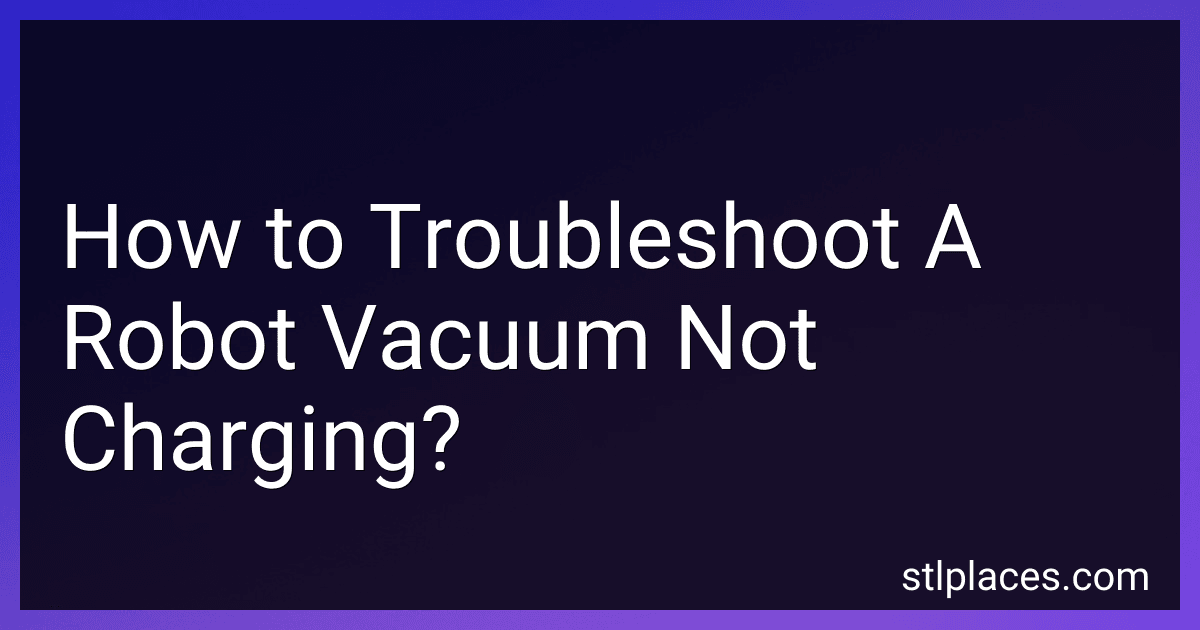
Tapo Dust Bag Replacement for Robot Vacuum and Mop – Includes Easy to Replace 5x 3L Disposable Dust Bags, Compatible with RV30 Max Plus & RV20 Max Plus
-
COMPATIBLE WITH TAPO RV30 MAX & RV20 MAX MODELS - EASY FIT!
-
FIVE 3L DISPOSABLE BAGS INCLUDED - LONG-LASTING CLEANING SOLUTION!
-
AUTO-LOCK DESIGN PREVENTS ALLERGENS - CLEAN AIR, CLEAN HOME!


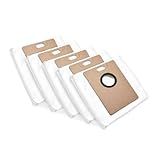
Replacement Parts for MAMNV BR151, for ZCWA BR151, for MANVINS G20, for Kilgone G20, for ONSON BR151, for MANVN BR151, for ZC WAS BR151, for iMartine BR151 Robot Vacuum,6 Side Brush,4 Mop Pad,4 Filter
-
ENHANCE PERFORMANCE: HIGH-QUALITY PARTS BOOST CLEANING EFFICIENCY AND DURABILITY.
-
GREAT VALUE: COMPREHENSIVE PACKAGE INCLUDES ESSENTIAL REPLACEMENT PARTS.
-
EASY MAINTENANCE: REGULAR REPLACEMENTS EXTEND LIFESPAN AND IMPROVE RESULTS.
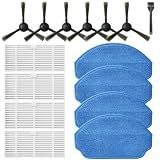
Replacement Parts Kit for irobot Roomba 600 Series 694 676 675 692 695 677 671 655 645 690 680 660 650 620 614 & 500 Series 595 585 564 robot, 2 Bristle & 2 Beater Brush, 6 Filter, 6 Side Brush
-
PERFECT FIT FOR IROBOT ROOMBA 500/600 SERIES MODELS.
-
DURABLE, HIGH-QUALITY ACCESSORIES ENSURE OPTIMAL PERFORMANCE.
-
COMPREHENSIVE PACKAGE WITH ESSENTIAL TOOLS FOR EASY MAINTENANCE.
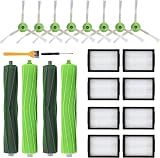
Replacement Parts for iRobot Roomba i7 i7+ i3 i3+ i4 i4+ i6 i6+ i8 i8+ E5 E6 E7 &J7 J7+ Vacuum Cleaner, 2 Set Rubber Brushes, 8 HEPA Filters, 8 Side Brushes, 1 Clean Brush, 1 Screwdriver, 22 Pack
-
PERFECT COMPATIBILITY: WORKS WITH ALL MAJOR IROBOT ROOMBA MODELS!
-
COMPLETE KIT: INCLUDES BRUSHES, FILTERS, TOOLS FOR EASY MAINTENANCE.
-
EFFICIENT FILTRATION: BLOCKS 99.97% OF TINY PARTICLES FOR CLEANER AIR.
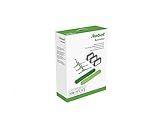
iRobot Authentic Replacement Parts - Replenishment Kit for Roomba e, i, and j Series and Roomba Combo i5 and j5 Series, Not Compatible with Combo j7+ or Combo j9+
-
CATCH 99% OF PET ALLERGENS WITH HIGH-EFFICIENCY FILTERS!
-
ANGLE-PERFECT EDGE-SWEEPING BRUSHES FOR CORNER DEBRIS SUCTION!
-
GENUINE PARTS ENSURE OPTIMAL PERFORMANCE AND LONGEVITY FOR YOUR ROOMBA!
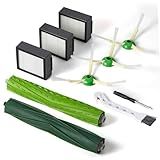
Replacement Parts & Accessories for iRobot E, I & J Series, Combo i5, j5 Series Robot Vacuum, Dual Multi-Surface Rubber Brushes & 3 HEPA Filter & 3 Edge-Sweeping Brushes
-
PERFECT FIT: COMPATIBLE WITH ALL IROBOT E, I, J SERIES MODELS.
-
HIGH-QUALITY CLEANING: SOFT NYLON BRISTLES ENSURE EFFECTIVE, SAFE CLEANING.
-
FRESH AIR GUARANTEE: HEPA FILTERS CAPTURE 99% OF ALLERGENS AND ODORS.
If your robot vacuum is not charging, there are several potential reasons why this may be happening. First, make sure that the charging station is plugged in and that the robot vacuum is properly aligned with the charging contacts on the station. If the contacts are dirty or obstructed, clean them with a soft cloth.
If the vacuum still does not charge, check the power source to ensure it is functioning properly. If the robot vacuum uses a removable battery, make sure it is properly seated in the vacuum and that the contacts are clean. If the battery is old or damaged, it may need to be replaced.
You can also try resetting the robot vacuum by turning it off and unplugging it for a few minutes before plugging it back in and turning it on again. If none of these steps resolves the issue, contact the manufacturer for further assistance or take the vacuum to a professional for repair.
What is the purpose of a charging dock for a robot vacuum?
The purpose of a charging dock for a robot vacuum is to provide a convenient and easily accessible location for the robot vacuum to return to when it needs to recharge its battery. When the robot vacuum's battery is running low, it will automatically navigate back to the charging dock to recharge, ensuring that it is always ready to clean efficiently and effectively. In addition, the charging dock also helps to keep the robot vacuum organized and in a designated spot when not in use.
How to clean the charging contacts on the robot vacuum?
To clean the charging contacts on a robot vacuum, follow these steps:
- Unplug the robot vacuum from the charging dock to ensure safety.
- Use a soft, dry cloth to gently wipe off any debris or dust on the charging contacts. Be careful not to press too hard to avoid damaging the contacts.
- If there is stubborn dirt or buildup on the contacts, lightly dampen the cloth with water or a small amount of rubbing alcohol. Make sure the cloth is not dripping wet to prevent water damage to the robot vacuum.
- Gently scrub the contacts with the damp cloth until the dirt is removed.
- Dry the charging contacts thoroughly with a clean, dry cloth before plugging the robot vacuum back into the charging dock.
It is important to regularly clean the charging contacts on your robot vacuum to ensure a proper connection and efficient charging.
How to diagnose a faulty charging circuit in the robot vacuum?
- Check the power source: First, confirm that the power source (outlet or charging dock) is functioning correctly by testing it with another device or plugging in a different device to ensure it is supplying power.
- Inspect the charging dock: Examine the charging dock for any visible damage, loose connections, or debris that may be obstructing the charging contacts on the robot vacuum. Clean the contacts on both the dock and the vacuum with a dry cloth.
- Test the charging cable: Use a multimeter to test the charging cable for continuity to ensure it is delivering power to the robot vacuum. If the cable is damaged or faulty, replace it with a new one.
- Check the battery: If the robot vacuum is not charging, the problem may lie with the battery. Test the battery using a multimeter to ensure it is holding a charge. If the battery is faulty, it may need to be replaced.
- Examine the charging circuit: If all of the above steps have been completed and the robot vacuum is still not charging, the issue may lie with the charging circuit inside the vacuum. A professional technician may need to diagnose and repair this issue.
- Contact customer support: If you are unable to diagnose the issue on your own, contact the manufacturer's customer support for further assistance or to schedule a repair.
What is the warranty coverage for charging-related problems in a robot vacuum?
The warranty coverage for charging-related problems in a robot vacuum will vary depending on the manufacturer and the specific terms of the warranty. In general, most robot vacuum warranties will cover charging-related issues that are due to defects in materials or workmanship. Typically, this coverage will last for a certain period of time, such as one year, from the date of purchase. It's important to carefully review the warranty information provided by the manufacturer to understand what is and is not covered, as well as any steps that may need to be taken to initiate a warranty claim.
How to troubleshoot an intermittent charging failure in the robot vacuum?
- Check the power source: Ensure that the power source or outlet that the robot vacuum is plugged into is working properly. Try plugging in another device to see if it charges successfully.
- Clean the charging contacts: Sometimes dust and debris can build up on the charging contacts of the robot vacuum, preventing it from making a proper connection with the charging dock. Use a soft cloth or cotton swab to gently clean the contacts.
- Check the charging dock: Make sure the charging dock is plugged in and receiving power. Ensure that the robot vacuum is properly aligned with the charging dock and that there are no obstructions blocking the contacts.
- Reset the robot vacuum: Some robot vacuums have a reset button or option in the settings menu. Try resetting the robot vacuum to see if that resolves the charging issue.
- Inspect the battery: If the robot vacuum is not holding a charge or is experiencing intermittent charging issues, the battery may need to be replaced. Contact the manufacturer for information on how to obtain a replacement battery.
- Update the firmware: If the robot vacuum has a companion app, check for any firmware updates that may address charging issues. Updating the firmware could potentially resolve the intermittent charging failure.
- Contact customer support: If you have tried all of the above troubleshooting steps and the robot vacuum is still experiencing intermittent charging failures, contact the manufacturer's customer support for further assistance or to inquire about potential repairs or replacements.
What is the impact of using third-party chargers on a robot vacuum battery?
Using third-party chargers on a robot vacuum battery can have both positive and negative impacts.
Positive impacts:
- Cost savings: Third-party chargers are often cheaper than official chargers from the robot vacuum manufacturer, allowing users to save money.
- Availability: Third-party chargers may be more readily available than official chargers, making it easier for users to find a replacement charger quickly.
- Compatibility: Some third-party chargers may be compatible with multiple models and brands of robot vacuums, providing more flexibility for users.
Negative impacts:
- Compatibility issues: Third-party chargers may not be designed specifically for the robot vacuum, leading to potential compatibility issues and affecting the charging performance.
- Safety concerns: Third-party chargers may not meet the same safety standards as official chargers, posing a risk of overheating, short-circuiting, or damaging the battery.
- Warranty void: Using a third-party charger may void the warranty of the robot vacuum, leaving the user responsible for any damages or malfunctions that may occur.
Overall, while using a third-party charger on a robot vacuum battery may be convenient and cost-effective, it is important to consider the potential risks and drawbacks before doing so. It is recommended to use official chargers or chargers recommended by the manufacturer to ensure the safety and longevity of the robot vacuum battery.