Best Backyard Gazebos Under $200 in October 2026
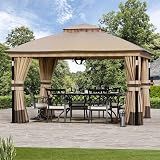
Covered Outdoor Patio Gazebo 11'x13' with LED Lights & Bluetooth Speaker, Heavy Duty Outdoor Canopy Shelter with Metal Frame, Double Roofs, Soft-top Gazebo with Netting and Curtains for Backyard
- DURABLE AND RUST-RESISTANT FRAME FOR LASTING USE
- DOUBLE LAYERED ROOF: UV PROTECTION & AIR CIRCULATION
- INCLUDED CURTAINS & NETTING ENSURE COMFORT & PROTECTION


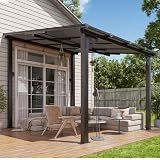
Aoxun 8’x10’ Gazebo with Aluminum Frame & Polycarbonate Panel, Black
-
DURABLE BUILD: WITHSTANDS 38MPH WINDS & HEAVY SNOW LOADS!
-
UV PROTECTION: BLOCKS 99% UV RAYS FOR A COOL, GLARE-FREE SPACE!
-
STYLISH DESIGN: ENHANCES YOUR OUTDOOR AREA WHILE PREVENTING WATER POOLING!
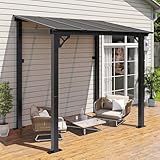
Aoxun 8’x5’ Premium Gazebo with Aluminum Frame & Polycarbonate Panel, Black
-
DURABLE, WIND-RESISTANT DESIGN SUPPORTS UP TO 55 LBS/㎡.
-
BLOCKS 99% OF UV RAYS WHILE PROVIDING 92% LIGHT TRANSMITTANCE.
-
ELEGANT SLOPING ROOF CHANNELS RAIN, ENSURING A DRY OUTDOOR SPACE.
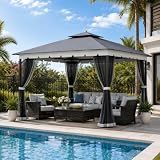
Bezseller 10'x12' Outdoor Gazebo with Double Roof, Grey
- EFFORTLESS OUTDOOR GATHERINGS: NO MORE SETUP WITH THIS FIXED GAZEBO.
- DURABLE DESIGN: STABLE FRAME WITHSTANDS WEATHER AND DAILY USE EASILY.
- ENJOY BUG-FREE RELAXATION: ENCLOSED MESH WALLS ENHANCE YOUR OUTDOOR COMFORT.
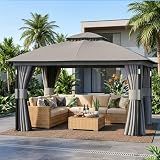
Covered Outdoor Patio Gazebo 11'x13' with LED Lights & Bluetooth Speaker, Heavy Duty Outdoor Canopy Shelter with Metal Frame, Double Roofs, Soft Top Gazebo with Netting and Curtains for Backyard, Gray
- DURABLE RUST-RESISTANT FRAME ENSURES LONG-LASTING OUTDOOR FUN!
- DOUBLE LAYERED ROOF KEEPS YOU COOL & PROTECTED FROM UV RAYS.
- INCLUDES CURTAINS & NETTING FOR A BUG-FREE, AIRY OUTDOOR EXPERIENCE!
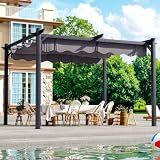
BETISEF 10'x12' Outdoor Pergola with Retractable Canopy
- FLEXIBLE CANOPY: ADAPT TO WEATHER WITH RETRACTABLE UV & RAIN PROTECTION.
- DURABLE FRAME: HIGH-STRENGTH METAL WITHSTANDS ANY WEATHER FOR LASTING USE.
- EASY SETUP: SIMPLE ASSEMBLY GETS YOU ENJOYING YOUR PATIO IN NO TIME!
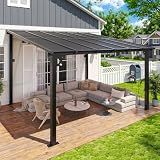
Aoxun 12’x10’ Gazebo with Aluminum Frame & Polycarbonate Panel, Black
- BULK SAVINGS: 30 PACKS FOR MAXIMUM VALUE AND EFFICIENCY.
- CONVENIENT PACKAGING: EASY-TO-USE, ON-THE-GO PACKS IDEAL FOR RETAIL.
- PERFECT FOR GROUPS: SATISFIES LARGER AUDIENCES WITH 30 TOTAL COUNTS.
Ultimate Guide to Backyard Patio Gazebos in 2026: what’s changed, what matters, and what’s worth your money
Ultimate Guide to Backyard Patio Gazebos in 2026 starts with one reality most shoppers discover too late: a gazebo that looks great in a product photo can turn into a warped roof, torn canopy, or rusted frame after one storm season. In the past two years, outdoor structure buyers have become far more focused on wind resistance, roof material, and anchoring options than on looks alone-and for good reason.
A patio gazebo is no longer just a decorative backyard shelter. For many homeowners, it’s now an outdoor living upgrade that needs to handle summer heat, sudden rain, UV exposure, and longer shoulder seasons. If you’re comparing a hardtop gazebo, a soft-top canopy gazebo, or a permanent patio cover alternative, the details matter more than ever.
You’re here because you want more than inspiration. You want to know which gazebo type fits your patio, what features actually justify the cost, what review patterns signal trouble, and which budget range gives the best long-term value. That’s exactly what this guide covers.
How we select products: Our team reviews outdoor products daily, analyzing customer ratings (4.0+ stars minimum), pricing trends, discount history, material specs, warranty terms, and real buyer feedback to surface options that deliver reliable value. For this Ultimate Guide to Backyard Patio Gazebos in 2026, we focused on the features and review signals that matter most once a gazebo has been exposed to actual weather.
Why is the Ultimate Guide to Backyard Patio Gazebos in 2026 more focused on roof type than style?
Because the roof is where most ownership regrets begin.
Across thousands of patio shelter reviews, the same pattern shows up: soft fabric tops fail sooner than frames, while poorly coated steel roofs can develop corrosion around fasteners and seams if water sits there repeatedly. Buyers often spend hours comparing colors and curtain styles, then regret not paying closer attention to roof gauge, drainage design, and snow-load limits.
In practical terms, you’re usually choosing between three main categories:
- Soft-top gazebos: lighter, cheaper, easier to move, but usually the shortest lifespan
- Polycarbonate roof gazebos: lighter than metal roofs and often better for filtered light
- Hardtop metal roof gazebos: heavier, more durable, and usually better for year-round patio use
If your patio gets direct sun for 6 to 8 hours a day, a hardtop often wins on comfort because it reduces overhead heat better than thin canopy fabric. If you mainly want seasonal shade and you store it during winter, a soft-top can still make sense.
Meanwhile, if you’re still comparing whether a rigid roof is worth it, a deeper explainer on the benefits of hardtop models is worth reading on this page.
What should you look for before buying, according to this Ultimate Guide to Backyard Patio Gazebos in 2026?
Here’s the checklist I’d use if I were buying again for a real backyard patio.
1. Frame thickness and finish matter more than listed weight capacity
Look for powder-coated steel or aluminum with clearly described post dimensions. Thicker legs-often around 4x4-inch posts or larger in sturdier models-generally feel less shaky than slim decorative frames, especially on open patios with wind exposure.
If the listing never mentions frame gauge, post width, or coating type, that’s a warning sign. Vague specs often correlate with more complaints about wobble, rust, and bent roof panels.
2. Roof design should match your climate, not just your aesthetic
A flat-looking roof may collect more debris and standing water than a steeper double-roof design. In rainy areas, sloped panels and integrated water channels reduce drip lines near seating zones.
For hot climates, ventilated double roofs help heat escape. That can make a noticeable difference on a July afternoon when trapped air under a solid roof turns the space into an oven.
3. Know the assembled footprint and the usable shade footprint
This catches a lot of people. A gazebo marketed as 10x12 may not give you a full 120 square feet of comfortable furniture space once you account for posts, curtains, and roof overhangs.
For a dining setup, you usually want enough interior clearance for:
- A table plus chairs pulled out
- At least 30 to 36 inches of circulation around the furniture
- Post placement that doesn’t block seating corners
4. Look for ratings depth, not just star averages
A 4.5-star rating across 1,000+ reviews tells you much more than a 4.8-star rating from 27 buyers. Once review counts climb past a few hundred, patterns around leaks, missing hardware, or difficult assembly become easier to trust.
5. Check warranty length and replacement-part availability
A one-year limited warranty is common. What matters more is whether buyers can actually get replacement netting, curtains, roof panels, and anchor hardware without replacing the whole structure.
6. Assembly time is a real cost
Gazebos with hundreds of bolts, roof channels, and labeled panels can take 6 to 12 hours with two or three adults. If your weekend is tight, a lower-complexity design may be worth more than a slightly larger footprint.
Pro tip: If your patio is pavers or stamped concrete, plan your anchoring method before you buy. Many buyers get stuck after assembly because they didn’t account for non-drill mounting options. This guide on Netlify covers practical approaches.
Which patio gazebo price range gives the best value in 2026?
For most shoppers, the sweet spot isn’t the cheapest tier.
Budget patio gazebos: what you really get under the entry-level range
Entry-level options usually focus on temporary shade, not long-term structure performance. Expect lighter tubing, thinner fabric, and shorter hardware life if the unit stays outdoors full-time.
These work best if:
- You use them seasonally
- You live in a mild climate
- You’re willing to remove the canopy during storms or winter
- Your goal is shade coverage, not a semi-permanent backyard fixture
The downside is simple: lower upfront cost often means higher replacement frequency. Reviews in this range commonly mention torn roof fabric after one or two high-wind events.
Mid-range gazebos: where most homeowners should shop
This is where you usually find the best mix of:
- Better structural rigidity
- Curtains and mosquito netting included
- More stable roof systems
- Better finish quality on exposed metal parts
For many households, the mid-range category is the smartest choice because it supports real patio use-lounging, outdoor dining, even mild rain coverage-without forcing you into a fully permanent build.
If you’re deal-hunting, watch seasonal discounts and clearance timing instead of buying at the first list price you see. A dedicated top gazebo sales resource can help you spot better buying windows.
Premium gazebos: who should spend more
Premium models make sense if your gazebo will function like an outdoor room. That means frequent hosting, all-season exposure, or integration with a deck, outdoor kitchen, or fire feature.
In this tier, you’re paying for details such as:
- Heavier roof panels
- Stronger corner joinery
- Better drainage
- Higher wind tolerance
- Cleaner fit and finish
- More usable long-term comfort
If your backyard layout includes a seating zone near a fire feature, placement matters. For spacing and safety around nearby hardscape projects, check it out before finalizing your layout.
What do real gazebo reviews reveal that product pages don’t tell you?
This is where the Ultimate Guide to Backyard Patio Gazebos in 2026 gets practical.
The biggest red flags show up in repeat complaints, not in polished listings. After reading large batches of outdoor shelter reviews, five issues appear again and again.
Red flag #1: “Waterproof” language with no drainage details
If a listing promises strong rain protection but doesn’t explain roof slope, seam design, or runoff channels, expect mixed weather performance. Water intrusion often starts around vent seams, screw holes, and panel overlaps.
Red flag #2: Low review count plus unusually high star rating
A brand-new listing with a 4.9 rating from a few dozen buyers may simply not have been tested through a full season yet. Established listings with hundreds of reviews usually give a more realistic picture.
Red flag #3: Missing replacement parts mentioned in reviews
One damaged roof panel shouldn’t force a full replacement, but some buyers report exactly that. If multiple reviews say parts support was slow or unavailable, take that seriously.
Red flag #4: “Easy assembly” claims that hide labor reality
Some gazebos technically can be assembled in a day, but only with three adults, ladders, and a calm weather window. Reviews that mention misaligned holes, unclear panel labels, or extra drilling are worth paying attention to.
Red flag #5: Rust appears first at fasteners, not on main beams
Even on otherwise decent models, corrosion often starts around screws, washers, and roof edge connections. If owner photos show orange staining near hardware after several months, the protective finish may be weaker than advertised.
💡 Did you know: In outdoor furniture and shelter categories, return risk rises sharply when listings have thin spec detail, fewer verified-photo reviews, and unclear assembly documentation. That’s why real buyer images matter so much-they show sagging roofs, post alignment, and curtain fit far better than staged photos.
If you want another angle on how sites present and evaluate products, this website review is a useful reminder to look beyond polished layouts and focus on substance.
How much space, wind exposure, and patio surface do you actually need?
A gazebo that fits on paper can still fail in real use.
Start with your surface. A unit placed on concrete, pavers, stone, or composite decking needs a different anchoring plan than one installed over compacted gravel or a ground-level pad. Surface type also affects drainage, leveling, and post stability.
Then consider wind exposure. A 10x12 gazebo in a fenced yard behaves differently from the same unit on an elevated deck with open sides. Even moderate gusts can create uplift on roof panels and lateral movement on corner posts.
For layout, I’d leave at least:
- 18 to 24 inches from the gazebo edge to fences or walls for maintenance access
- 36 inches of walkway space on at least one side
- Enough overhead clearance to avoid tree branch scraping, which can scratch roof coatings over time
This is also where accessories come in. If you want evening ambiance, these backyard patio string light ideas can help you avoid overloading beams or drilling into the wrong spots.
Is a hardtop gazebo better than a soft-top for most backyards in 2026?
For most buyers who want a structure to stay up most of the year, yes.
That doesn’t mean every hardtop is automatically better. It means the category itself usually offers better durability, better rain handling, and better long-term value than fabric-roof alternatives.
A soft-top is still a smart choice if you:
- Need a temporary setup
- Want easier seasonal removal
- Have a tight budget
- Don’t expect heavy weather exposure
A hardtop is usually smarter if you:
- Use your patio weekly
- Want a semi-permanent backyard gazebo
- Need better UV and rain protection
- Plan to add curtains, bug netting, heaters, or lighting
For homeowners researching broader site quality and content depth before buying, even a quick pass with an SEO checker can help you gauge whether you’re reading a thin affiliate page or a genuinely useful resource.
What’s the single best buying strategy from this Ultimate Guide to Backyard Patio Gazebos in 2026?
Match the gazebo to your weather exposure first, your patio size second, and your budget third.
That order saves money. A too-cheap gazebo in a windy, high-sun backyard usually costs more over three seasons than a sturdier mid-range model chosen correctly the first time. If you only remember one thing from this Ultimate Guide to Backyard Patio Gazebos in 2026, make it this: buy based on roof durability and anchoring compatibility, not just dimensions and looks.
Frequently Asked Questions
Are backyard patio gazebos worth it in 2026?
Yes, if you’ll use your patio regularly and choose a model that matches your climate. The biggest value comes from usable shade, rain protection, and extending outdoor time beyond peak summer heat, especially with a hardtop or well-ventilated roof design.
What size patio gazebo do I need for a table and chairs?
For most dining setups, a gazebo around 10x12 feet works better than smaller square layouts because it leaves more room to pull chairs out comfortably. You should also account for post placement and keep 30 to 36 inches of clearance around the table where possible.
Is a hardtop gazebo better than a canopy gazebo for wind and rain?
Usually yes. A hardtop gazebo generally handles rain runoff, UV exposure, and long-term outdoor use better than a canopy gazebo, while fabric tops are more likely to tear or sag after repeated storms.
How long do patio gazebos usually last?
A soft-top gazebo may last only a few seasons if left outside full-time, while a well-maintained hardtop can last much longer. Lifespan depends heavily on roof material, anchoring, hardware quality, and whether snow, wind, and standing water are managed properly.
What should I check before buying a patio gazebo online?
Check the assembled dimensions, frame material, roof type, warranty, replacement-part support, and review count before anything else. If a listing has vague specs, few buyer photos, or unclear anchoring details, treat that as a warning sign.