
Best Night Vision Monoculars in October 2026
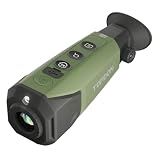
TOPDON TS004 Thermal Imaging Monocular, 13mm 50Hz Night Vision
- CAPTURE EVERY DETAIL WITH UNMATCHED 256X192 IR CLARITY!
- EXPLORE FREELY WITH 11-HOUR BATTERY LIFE FOR ENDLESS ADVENTURES!
- SEAMLESS LIVE MONITORING VIA TOPINFRARED APP, ANYTIME, ANYWHERE!


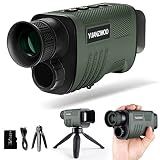
Night Vision Monocular Digital Infrared Monocular Telescope for 100% Darkness with 8X Zoom 2000mAh Rechargeable Battery Upgrade Tripod 32 GB SD Card & Card Reader, for Hunting Camping Green
-
SEE CLEARLY IN DARKNESS: 7 IR LEVELS FOR NIGHT VISION EXCELLENCE!
-
LONG BATTERY LIFE: RECHARGEABLE, PORTABLE POWER KEEPS YOU ADVENTURING!
-
CAPTURE THE MOMENT: QUICK PHOTO/VIDEO WITH INCLUDED 32GB CARD!
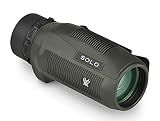
Vortex Solo Monocular 10x36
-
CLARITY & BRIGHTNESS: ENJOY CLEAR IMAGES WITH 10X MAGNIFICATION AND 36MM LENS.
-
DURABLE & RELIABLE: RUBBER ARMORED, WATERPROOF, AND FOGPROOF FOR ANY ADVENTURE.
-
LIFETIME WARRANTY: BACKED BY AN UNCONDITIONAL LIFETIME VIP WARRANTY.
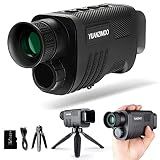
Night Vision Monocular Digital Infrared Monocular Telescope for 100% Darkness with 8X Zoom 2000mAh Rechargeable Battery Upgrade Tripod 32 GB SD Card & Card Reader, for Adult Hunting Camping Black
-
UNMATCHED NIGHT VISION: 7 IR LEVELS FOR TOTAL DARKNESS CLARITY!
-
RECHARGEABLE BATTERY: EXPLORE LONGER, WORRY LESS ABOUT POWER!
-
CAPTURE DISTANCE: 984FT VIEW & 8X ZOOM FOR STUNNING SHOTS!
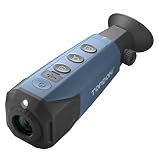
TOPDON TS004 Pro Thermal Imaging Monocular, 19mm 50Hz Night Vision
- UNMATCHED CLARITY: CAPTURE VIVID DETAILS WITH 384X288 RESOLUTION.
- EXTENDED BATTERY LIFE: ENJOY 11 HOURS OF UNINTERRUPTED THERMAL VIEWING.
- ADVENTURE-READY DESIGN: WATERPROOF AND DROP-RESISTANT FOR TOUGH CONDITIONS.
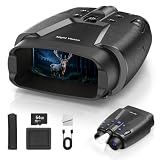
Vtiisamao Night Vision Goggles, Digital Night Vision Binoculars for Adults
-
DISCREET NIGHT VISION: 940NM IR ALLOWS STEALTHY OBSERVATION UP TO 1,968 FT.
-
HIGH-QUALITY CAPTURE: 48MP PHOTOS & 4K VIDEO WITH SYNCHRONIZED AUDIO.
-
EXTENDED USE: LONG-LASTING 10,000MAH BATTERY & 64GB STORAGE INCLUDED.
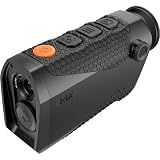
RIX Pocket K3 Thermal Monocular for Hunting, 384x288 Night Vision Monocular
-
HIGH-RES IMAGING UP TO 853 YARDS: ADVANCED 384X288 THERMAL SENSOR FOR SUPERIOR DETECTION.
-
COMPACT & LIGHTWEIGHT DESIGN: EASY TO CARRY AT 4.9X1.8X2.9 INCHES, FITS IN POCKET.
-
WI-FI CONNECTIVITY FOR FLEXIBILITY: WIRELESS IMAGE TRANSFER AND REMOTE VIEWING CAPABILITIES.
Ultimate Pvs14 Monocular Deals in 2026 are unusually volatile because Gen 2+ and Gen 3 inventory has been tightening while civilian demand for helmet-mountable night optics keeps climbing. In the last year, I’ve seen the same PVS-14 configuration swing from “decent deal” to “overpriced” purely based on tube specs, included accessories, and whether the seller clearly lists blem zones and signal-to-noise data.
That’s why a cheap-looking listing can cost you more than a better-priced, properly documented unit. If you’re comparing a pvs14 night vision monocular, a digital night vision monocular, or a starter monocular with night vision, the real value is in the spec sheet, not the headline discount.
You’re here for two things: to learn what matters, and to avoid buying the wrong unit. So below, I’ll break down Ultimate Pvs14 Monocular Deals in 2026 by budget tier, explain exactly what to look for in a pvs-14 night vision monocular, and show you the review patterns that separate real value from expensive regret.
How we select products: Our team reviews products daily, analyzing customer ratings, pricing trends, discount history, seller transparency, warranty terms, and real buyer feedback to surface options that provide the best value. For this guide, we prioritize listings with clear tube specifications, return support, and a 4.0+ star reputation threshold wherever verified buyer data is available.
Why are Ultimate Pvs14 Monocular Deals in 2026 so different from older night vision deals?
A true night vision monocular pvs 14 is not priced like a commodity flashlight. Two units that look nearly identical in photos can perform very differently at 50, 100, and 200 yards because of differences in tube grade, phosphor type, halo, EBI, and cosmetic blemishes.
Here’s the part most buyers miss: the best Ultimate Pvs14 Monocular Deals in 2026 are usually not the lowest sticker prices. They’re the listings that include actual tube data, a real warranty, and enough accessory value-mount, J-arm, sacrificial lens, case, or illuminator-to reduce your total ownership cost.
If you’re still learning the category, it helps to understand the wider market around monoculars, digital units, and goggle systems. For broader context, nvg night vision goggles explained gives a useful overview of how helmet-mounted night optics differ from handheld viewing devices.
How we picked the best Ultimate Pvs14 Monocular Deals in 2026
I didn’t rank these deals by “cheapest first.” That’s how people end up with a dim tube, a weak return policy, and zero documentation.
Instead, I use five filters that matter in actual field use:
-
Tube transparency
- The seller should disclose key metrics like signal-to-noise ratio, resolution, FOM, EBI, and blem location.
- If a listing just says “high performance” with no data, I treat that as a downgrade.
-
Mounting and use case
- A real pvs 14 night vision monocular should work for handheld scanning, helmet mounting, and passive observation.
- If you want a night vision goggles monocular setup later, compatibility matters more than an included soft pouch.
-
Included accessories
- A listing that includes protective lens caps, mount hardware, and a usable illuminator can save you 10% to 20% over piecing everything together separately.
-
Warranty and seller support
- The strongest offers in 2026 typically include multi-year support and documented inspection standards.
- A one-line return policy is a red flag, especially on used or refurbished optics.
-
Performance per dollar
- The best deal is the unit that gives you the best low-light clarity, edge performance, and durability for the money-not the cheapest invoice total.
What should you look for before buying a pvs-14 night vision monocular?
If you buy only on photos, you’re gambling. A proper monocular night vision device should be judged with hard criteria.
1. Signal-to-noise ratio matters more than flashy marketing
For real-world identification in low ambient light, signal-to-noise ratio is one of the first specs I check. Higher SNR generally means a cleaner image in darker conditions, especially under tree cover or on moonless nights.
2. Resolution is useful, but it’s not the whole story
A unit with good resolution but weak SNR can still look noisy. For Ultimate Pvs14 Monocular Deals in 2026, I’d rather see balanced performance than one standout spec used to justify a premium listing.
3. Blem zones should always be disclosed
Small cosmetic spots outside the central viewing area may be acceptable if the discount is meaningful. But if the seller won’t show blem location or uses vague language like “minor imperfections,” move on.
4. White phosphor vs green phosphor changes value
White phosphor often commands a premium because many users find it easier on the eyes during long sessions. Green phosphor can still be an excellent buy if the tube data is strong and the discount is real.
5. Weight and mounting comfort affect actual use
A monocular night vision unit that seems fine on paper can become annoying after an hour on a helmet. Balance, articulation, and compatibility with your mount matter just as much as the optical tube.
Pro tip: If a seller includes tube images, look for both center clarity and edge distortion. A unit can photograph well in the middle and still show distracting edge softness during real scanning.
What are the best Ultimate Pvs14 Monocular Deals in 2026 by budget?
Budget is how most people shop, so here’s the clearest way to narrow the field.
Entry tier: the best alternatives if a true PVS-14 stretches your budget
If a genuine pvs-14 night vision monocular is out of reach, the smartest move is often to start with a digital monocular night vision unit rather than buying a suspiciously cheap analog listing. A night vision digital monocular can work for casual observation, property checks, and learning night-use habits, but it won’t fully match image intensifier performance.
Best for:
- First-time users
- Backyard and rural property observation
- Buyers deciding whether they’ll actually use night optics regularly
Limitations:
- More latency than analog
- Usually weaker passive performance
- Bright-screen glow can be a drawback in some environments
If you’re comparing lower-cost digital options, guides like the best affordable infrared night vision goggles can help clarify where digital units make sense and where they don’t.
Mid-range sweet spot: where the best value usually sits
This is where I’ve consistently found the strongest Ultimate Pvs14 Monocular Deals in 2026. In this band, you’re often getting documented tube specs, better housings, and fewer compromises on image quality.
Best for:
- Serious hobby use
- Helmet-mounted navigation
- Buyers who want long-term value without chasing top-tier premiums
What usually separates a good mid-range offer from a bad one:
- Clear spec sheet
- Honest blem disclosure
- Included essentials instead of junk accessories
- Real after-sale support
This is also the range where many shoppers compare a monocular night vision goggles setup versus saving longer for dual-tube systems. For most buyers, a strong single-tube setup remains the better value-to-performance play.
Premium tier: who should pay more
Pay premium money only if you know why you need it. The best high-end night vision monocular best picks are for users who care about top-tier low-light performance, cleaner tubes, stronger cosmetic grading, and better passive viewing under limited illumination.
Best for:
- Frequent nighttime field use
- Demanding helmet-mounted applications
- Buyers who can read spec sheets and verify what they’re paying for
If you don’t need that level of performance, a mid-tier night vision monocular digital backup or a solid analog unit is often the smarter buy.
Ultimate Pvs14 Monocular Deals in 2026: analog PVS-14 vs digital monocular night vision
This is where many buyers get stuck, so here’s the blunt answer: if your goal is the classic PVS-14 experience, a true analog intensifier-based unit beats digital night vision monocular options for natural viewing and low-light performance.
| Feature | PVS-14 Style Analog Unit | Digital Night Vision Monocular |
|---|---|---|
| Low-light sensitivity | Excellent in very dark conditions | Usually needs more ambient light or IR |
| Screen latency | Essentially none | Often noticeable during movement |
| Helmet use | Well-suited | Sometimes awkward depending on design |
| Daytime use | Requires care and proper caps | Usually more flexible |
| Value for beginners | Expensive but proven | Lower barrier to entry |
| Best use case | Serious night navigation and observation | Casual spotting and learning |
A stealth cam night vision monocular or other digital-style viewer may be enough for stationary observation. But if you want reliable movement, passive scanning, and the familiar pvs 14 night vision monocular format, analog still leads.
For shoppers comparing broader categories, best night vision goggles deals in detail is useful for seeing how monoculars stack up against full goggle systems.
What review patterns reveal a bad monocular with night vision?
After reading enough buyer feedback, the warning signs become obvious. Poor deals tend to repeat the same flaws.
Red flag #1: no actual tube specs
If the seller avoids listing technical details, there’s usually a reason. On higher-dollar night optics, missing specs are more concerning than a slightly higher price.
Red flag #2: “crystal clear” claims with no sample images
I trust listings that show through-the-tube photos, blem notes, and inspection details. I distrust listings that rely on buzzwords and stock imagery.
Red flag #3: accessory overload instead of core quality
If a package leads with ten accessories but says almost nothing about image performance, it’s often compensating. A better deal is a cleaner unit with fewer extras and better documentation.
Red flag #4: weak warranty language
A serious monocular night vision device seller should explain coverage clearly. Ambiguous support terms are one of the fastest ways to turn a “deal” into a money pit.
Red flag #5: digital listings marketed like true PVS-14 replacements
A night vision monocular digital device can be useful, but it shouldn’t be sold as a direct equal to a true analog PVS-14 pattern monocular. If a listing blurs that distinction, I’d pass.
💡 Did you know: The biggest value gap in night vision often comes from documentation quality, not cosmetic appearance. A slightly blemished but fully documented unit can be a much better buy than a cleaner-looking listing with missing tube data.
Is a monocular with night vision worth buying in 2026 if you’re a beginner?
Yes-if you buy for your actual use case, not for internet bragging rights. For most beginners, the smartest path is either a verified mid-tier pvs-14 night vision monocular or a lower-cost digital monocular night vision unit used as a training step.
If you mainly want property checks, wildlife observation, or occasional recreational use, digital can be enough. If you want hands-free movement, helmet compatibility, and true low-light performance, a PVS-14 style analog monocular is the better long-term purchase.
I’d skip the middle ground of vague, under-documented listings entirely. That’s where bad deals hide.
Where else are people researching gear around Ultimate Pvs14 Monocular Deals in 2026?
Search behavior around night vision is surprisingly broad. People often bounce between tactical optics, home security tech, maps, and random gear rabbit holes before they buy.
You’ll see odd pathways online, from www.google.com.ua image-result detours to niche recommendation pages like maps.google.com.np. I’ve even seen shoppers compare unrelated product review styles on pages like Dog Names or formatting structures from nightstand necessity 2025 in detail just to judge whether a seller sounds transparent.
That may sound random, but it points to one thing: trust wins. The listing that explains the night vision monocular pvs 14 clearly will usually beat the listing that just shouts “deal.”
Final buying advice for Ultimate Pvs14 Monocular Deals in 2026
If you remember only one thing, make it this: the single most important criterion is verified tube data tied to a solid warranty. A true deal on a pvs 14 night vision monocular is never just about price-it’s about documented performance, honest blem disclosure, and whether the unit will still feel like a good purchase after your first night outside.
Frequently Asked Questions
what is the difference between a pvs-14 night vision monocular and a digital night vision monocular?
A pvs-14 night vision monocular uses analog image intensifier technology, which usually delivers better low-light performance and more natural viewing. A digital night vision monocular is often cheaper and easier for beginners, but it typically has more latency and relies more on ambient light or IR assistance.
how to choose the best monocular with night vision for beginners?
Start by matching the device to your real use case: handheld viewing, helmet mounting, or simple property checks. Beginners usually get the best value from either a well-documented entry analog unit or a digital model with clear specs, strong reviews, and a reliable return policy.
is a night vision monocular pvs 14 worth it in 2026?
Yes, if you need true low-light performance, hands-free compatibility, and long-term usability. A night vision monocular pvs 14 is usually worth it for serious users, while casual users may be better served by a lower-cost digital option.
what should i avoid in Ultimate Pvs14 Monocular Deals in 2026?
Avoid listings with no tube specs, unclear blem descriptions, and vague warranty language. If a seller markets a digital unit as if it performs like a true analog PVS-14, that’s a major warning sign.
are monocular night vision goggles better than binocular night vision systems?
For most buyers, a monocular setup is lighter, cheaper, and easier to enter than dual-tube systems. Binocular systems can improve depth perception and comfort, but a quality single-tube unit usually offers the best value for first-time and mid-budget buyers.