Best Heart Rate Monitor Fitness Trackers to Buy in October 2026
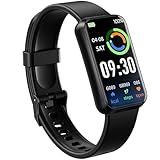
pixtlcoe Fitness Smart Trackers with 24/7 Health Monitoring,Heart Rate Sleep Blood Pressure Oxygen Monitor/Calorie Steps Counter Pedometer Activity Tracker/Smart Notifications for Men Women
-
24/7 HEART RATE MONITORING FOR INFORMED HEALTH CHOICES!
-
MULTIPLE SPORTS MODES TO TRACK & CRUSH YOUR FITNESS GOALS!
-
UP TO 10 DAYS BATTERY LIFE FOR WORRY-FREE CONNECTIVITY!


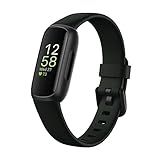
Fitbit Inspire 3 Health &-Fitness-Tracker with Stress Management, Workout Intensity, Sleep Tracking, 24/7 Heart Rate and more, Midnight Zen/Black One Size (S & L Bands Included)
- BOOST YOUR ENERGY: DAILY READINESS & ACTIVE MINUTES HELP YOU THRIVE.
- STRESS RELIEF TOOLS: MINDFULNESS & WELLNESS TRACKING FOR A BALANCED LIFE.
- BETTER SLEEP: SMART TRACKING & PERSONALIZED INSIGHTS FOR RESTFUL NIGHTS.
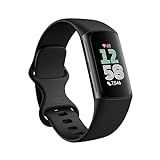
Fitbit Charge 6 Fitness Tracker with Google apps, Heart Rate on Exercise Equipment, 6-Months Premium Membership Included, GPS, Health Tools and More, Obsidian/Black, One Size (S & L Bands Included)
- SEAMLESS TURN-BY-TURN DIRECTIONS WITH GOOGLE MAPS ON FITBIT CHARGE 6.
- EFFORTLESS SNACK BREAKS: TAP TO PAY WITH GOOGLE WALLET INTEGRATION.
- ELEVATE YOUR FITNESS EXPERIENCE WITH ADVANCED NAVIGATION FEATURES.
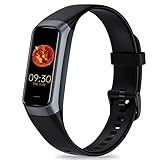
Zeacool Fitness Tracker with 24/7 Heart Rate, Blood Oxygen Blood Pressure Sleep Monitor, Activity Trackers 5 ATM Waterproof,Step Calorie Counter Pedometer Health Smart Watch for Women Men (Black)
-
REAL-TIME HEALTH TRACKING: MONITOR HEART RATE, OXYGEN & SLEEP QUALITY.
-
STUNNING 1.10 AMOLED SCREEN WITH CUSTOMIZABLE WATCH FACES AWAITS!
-
25 SPORT MODES & 5 ATM WATERPROOFING FOR ALL YOUR FITNESS ADVENTURES!
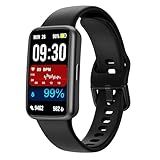
Enfit Fitness Trackers,Smart Watch with 1.47" Color Screen,100+Sport Modes Fitness Watch with Heart Rate Sleep Monitor, Pedometer Step Counter Watch, 3TAM Waterproof Activity Trackers for Women Men,BK
- OVER 100 EXERCISE MODES & 3ATM WATERPROOF-IDEAL FOR ALL WORKOUTS!
- 24/7 HEART RATE & SLEEP TRACKING FOR A HEALTHIER LIFESTYLE!
- GET REAL-TIME NOTIFICATIONS FROM YOUR FAVORITE APPS WHILE YOU TRAIN!
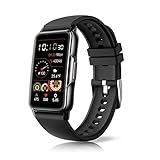
Smart Watch Health Fitness Tracker with 24/7 Heart Rate, Blood Oxygen Blood Pressure Sleep Monitor, 115 Sports Modes, Step Calorie Counter Pedometer IP68 Waterproof for Android and iPhone Women Men
- 24/7 HEALTH TRACKING: MONITOR HEART RATE, SLEEP, AND MORE ON YOUR WRIST.
- 115 SPORTS MODES: TAILORED TRACKING FOR EVERY ACTIVITY AND FITNESS GOAL.
- STAY CONNECTED: RECEIVE CALLS AND TEXTS DIRECTLY FROM YOUR SMARTWATCH.
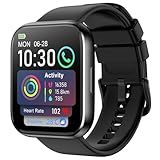
Smart Watch for Men Women, 1.85" HD Fitness Tracker with Bluetooth Calls, 120+ Sport Modes Fitness Watch, Fitness Tracker 24/7 Heart Rate/Sleep Monitor, IP68 Waterproof, Smartwatch for Android/iPhone
- STUNNING 1.85'' HD DISPLAY & 200+ CUSTOM WATCH FACES.
- SEAMLESS BLUETOOTH 5.3 CALLING & NOTIFICATIONS ON YOUR WRIST.
- 24/7 HEALTH MONITORING WITH 120+ SPORT MODES FOR EVERY LIFESTYLE.
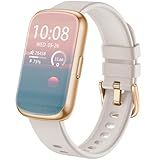
Health Fitness Tracker, Smart Watches for Women Men with 24/7 Heart Rate/Blood Oxygen Monitor, Sleep Tracker,Calories&Step Counter, IP68 Waterproof Fitness Watch & Activity Trackers for Android&iPhone
- 24/7 HEALTH MONITORING: TRACK HEART RATE, SLEEP STAGES, AND MORE!
- CUSTOMIZABLE SPORTS MODES: OPTIMIZE WORKOUTS WITH TAILORED TRACKING!
- SLEEK, MULTI-FUNCTIONAL DESIGN: PERFECT GIFT WITH VERSATILE FEATURES!
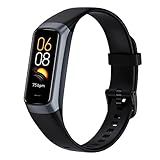
Fitness Tracker with 24/7 Heart Rate Blood Oxygen Sleep Monitor,Activity Tracker with 1.1" AMOLED Touch Color Screen, Multiple Sport Modes Step Counter,IP68 Waterproof for Women Men (Dark Black)
- TRACK HEART RATE, SLEEP, AND OXYGEN 24/7 FOR BETTER HEALTH INSIGHTS.
- MONITOR STEPS, CALORIES, AND DISTANCE FOR EFFECTIVE ACTIVITY ANALYSIS.
- CUSTOMIZE WITH 70+ WATCH FACES ON A VIBRANT 1.1 AMOLED TOUCHSCREEN.
Fitness trackers measure heart rate using built-in sensors, typically optical sensors. These sensors rely on a technology called photoplethysmography (PPG). PPG is a non-invasive method used to detect changes in blood volume by shining light onto the skin and then measuring the reflected or transmitted light.
When it comes to heart rate tracking, fitness trackers emit green light onto the skin's surface through LEDs. As blood vessels expand and contract with each heartbeat, the reflected light will vary. Fitness trackers capture these changes in light to determine the heart rate.
The optical sensors in fitness trackers have photodiodes that detect the intensity of reflected light. By processing this information, the tracker calculates the heart rate by analyzing the intervals between heartbeats.
To improve accuracy, fitness trackers may also use algorithms to filter out noise and artifact signals. These algorithms account for factors such as movement, temperature, and other variables that could affect the reliability of the heart rate measurement.
Additionally, some advanced fitness trackers also incorporate other sensors like accelerometers or gyroscopes. These sensors help differentiate between motion artifacts and actual heart rate data during physical activity.
Overall, fitness trackers leverage optical sensors and algorithms to measure heart rate, providing users with insights into their cardiovascular health and fitness levels.
What are the advantages of tracking heart rate with a fitness tracker?
Tracking heart rate with a fitness tracker offers several advantages. Here are some of them:
- Accurate monitoring: Fitness trackers with heart rate monitors provide real-time data that accurately tracks your heart rate during workouts or throughout the day. This allows you to assess your cardiovascular health and monitor any abnormalities.
- Training optimization: Heart rate data helps optimize training intensity. By tracking heart rate during workouts, you can set specific heart rate zones and ensure you are training at the desired intensity level to achieve your goals, such as fat burning, endurance improvement, or cardiovascular fitness.
- Calorie expenditure estimation: Heart rate tracking in fitness trackers can estimate the number of calories you burn during different activities or exercises. This information can be useful for managing weight loss/gain goals and adjusting your diet accordingly.
- Resting heart rate monitoring: Fitness trackers can also measure your resting heart rate, which is an important indicator of overall cardiovascular health and fitness. Regularly monitoring your resting heart rate can help detect any potential health issues or track improvements over time.
- Stress management: Heart rate variability (variation in the time intervals between heartbeats) is an essential measure of stress levels. Fitness trackers can monitor heart rate variability, providing insights into your body's response to stress. This data can help you identify periods of high stress, inform relaxation techniques, and indicate the effectiveness of stress management strategies.
- Sleep monitoring: Many fitness trackers offer sleep tracking features, including monitoring heart rate during different sleep stages. By understanding your heart rate patterns while sleeping, you can gain insights into sleep quality and identify potential sleep disturbances.
- Health indicators: Abnormal heart rate patterns or constant high heart rate notifications from fitness trackers can serve as indicators of potential health issues like arrhythmias or heart diseases. Early detection of irregularities can prompt you to seek medical advice and potentially prevent further complications.
It's important to note that while fitness trackers provide useful insights, they are not medical devices, and any concerns about your heart health should be discussed with a qualified healthcare professional.
Is heart rate variability measured by fitness trackers?
Yes, many fitness trackers are equipped with heart rate variability (HRV) sensing technology. HRV refers to the variation in the time interval between consecutive heartbeats and is considered an indicator of autonomic nervous system activity. By measuring HRV, fitness trackers can provide insights into stress levels, recovery, and overall health. While not all fitness trackers have HRV monitoring capabilities, several popular brands, such as Garmin, Fitbit, and Apple, offer this feature in their advanced models.
How does a fitness tracker measure heart rate?
There are several methods that a fitness tracker can use to measure heart rate:
- Optical Heart Rate Monitor: One common method is through the use of optical sensors that continuously monitor blood flow beneath the skin. These sensors emit green LED lights onto the skin and detect how much light is absorbed or reflected based on blood volume changes. This information is then used to calculate heart rate.
- Electrocardiography (ECG/EKG): Some fitness trackers may include built-in electrodes that measure the electrical activity of the heart. These electrodes typically need direct contact with the skin, such as a chest strap, and provide more accurate readings. EKG sensors can measure heart rate and even detect abnormalities in heart rhythm.
- Photoplethysmography (PPG): Another method is PPG, which calculates heart rate by analyzing the variations in blood volume. It utilizes LED lights and a photosensitive receptor to measure blood circulation changes, typically through the wrist.
- Pulse Oximetry: Some fitness trackers also include a pulse oximeter that measures both heart rate and blood oxygen levels. It utilizes both optical sensors and infrared light to analyze the amount of oxygenated and deoxygenated blood in the small blood vessels of the finger or wrist.
It's important to note that while fitness trackers provide a convenient way to monitor heart rate, their accuracy may vary. Factors such as motion, skin tone, tightness of wearing the device, and other environmental conditions can influence the readings.
Can fitness trackers help detect early signs of heart problems?
Fitness trackers can help in detecting early signs of heart problems to some extent. These devices typically monitor heart rate, and abnormal heart rate patterns can indicate potential heart conditions. However, it is important to note that fitness trackers are primarily designed for tracking overall activity levels, calories burned, sleep quality, and basic heart rate monitoring. They are not intended to diagnose or replace medical assessment by a healthcare professional. If someone notices consistently irregular or abnormal heart rate patterns on their fitness tracker, it is advisable to consult a doctor for further evaluation and diagnosis.