
Best Gaming Mouse Grip Styles to Buy in October 2026
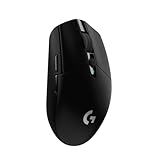
Logitech G305 Lightspeed Wireless Gaming Mouse, Hero Sensor, 12,000 DPI, Lightweight, 6 Programmable Buttons, 250h Battery, On-Board Memory, Compatible with PC, Mac - Black
-
NEXT-GEN HERO SENSOR: 12,000 DPI, 400 IPS FOR TOP-TIER PRECISION.
-
LIGHTSPEED TECH ENSURES LAG-FREE GAMING WITH 1 MS REPORT RATE.
-
250-HOUR BATTERY LIFE; EXTEND TO 9 MONTHS WITH ENDURANCE MODE!


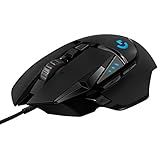
Logitech G502 Hero High Performance Wired Gaming Mouse, Hero 25K Sensor, 25,600 DPI, RGB, Adjustable Weights, 11 Programmable Buttons, On-Board Memory, PC/Mac - Black
- ULTRA-PRECISE TRACKING: HERO SENSOR UP TO 25600 DPI FOR FLAWLESS ACCURACY!
- FULLY CUSTOMIZABLE CONTROL: 11 PROGRAMMABLE BUTTONS ENHANCE GAMEPLAY TACTICS.
- PERSONALIZED WEIGHTING: ADJUSTABLE WEIGHTS FOR TAILORED COMFORT AND BALANCE.
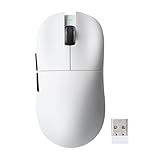
YUNZII M1 Wireless Gaming Mouse, Tri-Mode 2.4G/BT/Wired Gaming Mouse, PAW3311 Sensor 10000 DPI Rechargeable Wireless Mouse with 5 Programmable Buttons, Customizable via Software for Win & Mac (White)
-
VERSATILE CONNECTIVITY: ENJOY SEAMLESS GAMING WITH 3 CONNECTION MODES!
-
PRECISION CONTROL: 7 DPI SETTINGS ENSURE ACCURACY FOR ALL TASKS!
-
LIGHTWEIGHT COMFORT: ERGONOMIC DESIGN REDUCES WRIST STRAIN DURING USE!
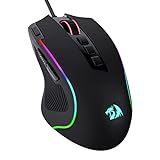
Redragon M612 Predator RGB Gaming Mouse, 8000 DPI Wired Optical Mouse with 11 Programmable Buttons & 5 Backlit Modes, Software Supports DIY Keybinds Rapid Fire Button
-
5 DPI LEVELS FOR ULTIMATE PRECISION - SWITCH EASILY FOR ANY GAME STYLE.
-
11 PROGRAMMABLE BUTTONS - CUSTOMIZE KEYBINDS FOR GAMING AND WORK EFFICIENCY.
-
ERGONOMIC COMFORT DESIGN - ENJOY HOURS OF GAMEPLAY WITH REDUCED HAND FATIGUE.
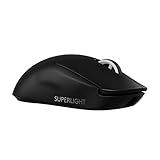
Logitech G PRO X Superlight 2 Wireless Gaming Mouse, 60g Pro-Grade with 5 Programmable Buttons, 44k DPI Sensor, 8kHz Report Rate, USB-C Charging for PC/Mac - Black
- ULTRA-FAST 8 KHZ POLLING FOR LIGHTNING-QUICK RESPONSE TIMES.
- HERO 2 SENSOR: 44,000 DPI FOR UNMATCHED PRECISION IN GAMING.
- LIGHTWEIGHT DESIGN WITH ZERO-ADDITIVE FEET FOR EFFORTLESS GLIDING.
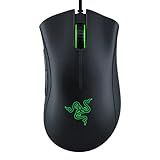
Razer DeathAdder Essential Gaming Mouse: 6400 DPI Optical Sensor - 5 Programmable Buttons - Mechanical Switches - Rubber Side Grips - Classic Black
- PRECISION CONTROL: 6,400 DPI SENSOR WITH ADJUSTABLE SENSITIVITY FOR GAMERS.
- DURABLE DESIGN: MECHANICAL SWITCHES LAST UP TO 10 MILLION CLICKS.
- CUSTOMIZABLE FUNCTIONALITY: 5 PROGRAMMABLE BUTTONS FOR MACROS & REMAPPING.
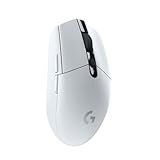
Logitech G305 Lightspeed Wireless Gaming Mouse, Hero Sensor, 12,000 DPI, Lightweight, 6 Programmable Buttons, 250h Battery, On-Board Memory, Compatible with PC, Mac - White
- NEXT-GEN 12,000 DPI SENSOR FOR UNMATCHED GAMING PRECISION AND EFFICIENCY.
- LIGHTSPEED WIRELESS TECH OFFERS 1 MS RESPONSE TIME, OUTPACING WIRED.
- ENJOY 250 HOURS OF GAMEPLAY ON A SINGLE AA BATTERY WITHOUT INTERRUPTIONS.
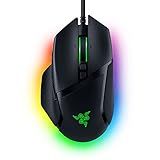
Razer Basilisk V3 Customizable Ergonomic Gaming Mouse: Fastest Gaming Mouse Switch - Chroma RGB Lighting - 26K DPI Optical Sensor - 11 Programmable Buttons - HyperScroll Tilt Wheel - Classic Black
-
ERGONOMIC DESIGN: SUPPORTS HAND COMFORT FOR PROLONGED GAMING SESSIONS.
-
11 PROGRAMMABLE BUTTONS: CUSTOMIZE ACTIONS FOR QUICK AND EFFICIENT GAMEPLAY.
-
FOCUS+ 26K DPI SENSOR: PRECISION TRACKING FOR COMPETITIVE EDGE IN GAMING.
Gamers hold their mouse in various ways to optimize their gaming performance. One popular grip style is the palm grip, where the user rests their entire hand on the mouse. This grip offers excellent control, stability, and comfort for extended gaming sessions.
Another widely used grip is the claw grip, which involves arching the hand and keeping the fingers bent to create a claw-like shape. This grip allows for quick movements and better precision, particularly for FPS (First-Person Shooter) games.
Some gamers prefer the fingertip grip, where only the fingertips of the fingers touch the mouse surface. This grip provides exceptional agility and speed, as the hand is not in contact with the mouse, enabling swift movements.
It's worth noting that certain gaming mice are designed to accommodate specific grip styles. Manufacturers often create ergonomic shapes and features to suit different gamers' preferences. Ultimately, how a gamer holds their mouse can greatly impact their mouse control, gameplay effectiveness, and overall gaming experience.
How to adjust your mouse grip to different game genres?
Adjusting your mouse grip to different game genres can improve your performance and comfort levels. Here are some tips to help you adapt your grip for different gaming genres:
- First, understand the different grip styles: Palm grip: Your entire palm rests on the mouse, providing stability and comfort. Claw grip: Your palm still rests on the back of the mouse, but your fingers are slightly arched and gripped like a claw. Fingertip grip: Only your fingertips make contact with the mouse, enabling quick and precise movements.
- FPS and Precision Genres: Use a palm or claw grip for stability and control during precise aiming. Adjust your sensitivity and DPI (dots per inch) settings for accurate aiming. Consider using a lighter mouse for easier flick shots and quick reactions.
- MOBAs and RTS Genres: Use a palm or claw grip to maintain control and comfort during longer gaming sessions. Assign frequently used commands to mouse buttons for quick access. Consider using a mouse with adjustable DPI settings for quick camera movements.
- MMOs and RPGs Genres: Use a palm or claw grip for extended play sessions and comfort. Opt for a mouse with extra programmable buttons to assign abilities or actions. Map frequently used commands to your thumb buttons for easy access.
- Racing and Sports Genres: Use a fingertip grip for precise control and smooth movements. Adjust your sensitivity settings for accurate steering and quick reactions. Consider using a mouse with adjustable weight for better control and stability.
- Experiment and find what works best for you: Try out different grip styles and movements to see what feels comfortable and natural. Make small adjustments to your grip based on feedback from your gameplay experience. Pay attention to any discomfort or strain; if necessary, modify your grip to alleviate it.
Remember, adjusting your grip may take some time and practice. Experiment with various styles until you find the one that suits your gaming needs and enhances your performance.
What is the most common mouse grip style among gamers?
The most common mouse grip style among gamers is the palm grip. This grip involves resting the palm on the back of the mouse while the fingers are extended forward to control the buttons. The palm grip provides good stability and control, making it popular for gaming. Other common grip styles include the claw grip and fingertip grip, but these are less prevalent among gamers.
What is the claw grip in gaming?
The claw grip is a type of hand positioning used by gamers when using a computer mouse or a game controller. It involves arching the fingers and resting them on the buttons or triggers, while the palm and the base of the hand are elevated above the surface. The name "claw" comes from the finger positioning, which resembles the shape of a claw. This grip is commonly used in fast-paced gaming genres, such as first-person shooters or fighting games, as it allows for quick and precise movements of the fingers and quick access to various buttons or triggers.
How to achieve precision in mouse movement while gaming?
To achieve precision in mouse movement while gaming, you can follow these tips:
- Adjust mouse sensitivity: Set the sensitivity of your mouse according to your preference. Lower sensitivity can provide more precise control, but it may require larger hand movements. Experiment with different sensitivity levels to find what works best for you.
- Use a gaming mouse: Invest in a high-quality gaming mouse that offers adjustable DPI (Dots Per Inch). Gaming mice often have better sensors, ergonomic designs, and customizable buttons, allowing you to fine-tune the mouse for optimal precision.
- Play on a suitable surface: Use a mouse pad or a smooth surface that offers consistent traction. This helps the mouse accurately track your movements. Avoid uneven or glossy surfaces that may cause unintended movements.
- Maintain a comfortable grip: Find a grip style that feels natural and allows for comfortable and precise control. Whether it is palm grip, claw grip, or fingertip grip, choose what suits you best and allows for accurate movements.
- Practice and muscle memory: Like any skill, practice is crucial for mastering precision mouse movement. Spend time playing games that require precise aiming and cursor control to improve your muscle memory and hand-eye coordination.
- Minimize mouse acceleration: Disable mouse acceleration in your computer's settings or gaming software. Mouse acceleration can cause inconsistent cursor movement, making it more challenging to achieve precision.
- Fine-tune in-game settings: Adjust the sensitivity and acceleration settings within the game you are playing. Each game may have its own options to optimize mouse movement. Experiment with these settings to find what feels most comfortable and precise for you.
- Reduce mouse DPI on-demand: Some gaming mice allow you to change the DPI on-the-fly. Lowering the DPI momentarily can help achieve higher precision during specific situations that require fine control, like sniping in FPS games.
- Posture and arm placement: Adopting a relaxed posture and ensuring your arm is properly supported can improve precision. A comfortable and stable arm position allows for steady and controlled mouse movements.
- Take breaks: Avoid excessive and extended gaming sessions, as fatigue can affect your precision and accuracy. Take short breaks to rest your hand and reduce strain, preserving your overall control.
Remember, achieving precision in mouse movement requires time, practice, and finding the settings that suit you best. Experiment with various techniques and solutions until you find what helps you achieve the desired level of precision in your gaming experience.