
Best Database Tools to Buy in October 2026
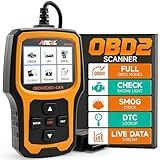
ANCEL AD410 Enhanced OBD2 Scanner, Vehicle Code Reader for Check Engine Light, Automotive OBD II Scanner Fault Diagnosis, OBDII Scan Tool for All OBDII Cars 1996+, Black/Yellow
-
QUICKLY DIAGNOSE YOUR CHECK ENGINE LIGHT WITH 42,000+ DTC LOOKUPS.
-
REAL-TIME ENGINE DATA VIEWING FOR INFORMED REPAIR DECISIONS.
-
EASY PLUG-AND-PLAY DESIGN; NO APP OR BATTERY NEEDED.



BluSon YM319 OBD2 Scanner Diagnostic Tool with Battery Tester, Scan Tool
-
SWIFT ENGINE DIAGNOSTICS: READ & CLEAR FAULT CODES INSTANTLY!
-
ONE-CLICK BATTERY HEALTH CHECK: PREVENT SURPRISES WITH CONTINUOUS MONITORING.
-
INNOVATIVE CLOUD PRINTING: STORE & SHARE DETAILED REPORTS EFFORTLESSLY!

Database Systems: Design, Implementation, & Management
Learning Airtable: Building Database-Driven Applications with No-Code
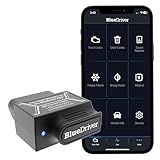
BlueDriver OBD2 Scanner Bluetooth, No Subscription, ABS SRS TPMS
-
EXPERT DIAGNOSTICS: DIAGNOSE WITH CONFIDENCE-NO GUESSWORK NEEDED!
-
EXTENSIVE CODE COVERAGE: READ & CLEAR MORE CODES THAN BASIC SCANNERS.
-
WIRELESS CONVENIENCE: BLUETOOTH-ENABLED FOR HASSLE-FREE VEHICLE SCANNING.
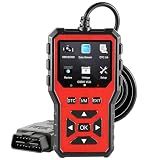
Algvmis OBD2 Scanner Diagnostic Tool, 2026 Upgraded Car Code Reader (Red)
- WIDE COMPATIBILITY: WORKS WITH MOST GAS VEHICLES GLOBALLY SINCE 1996.
- COST-SAVING DIAGNOSTICS: QUICKLY READ & CLEAR ENGINE TROUBLE CODES.
- USER-FRIENDLY DESIGN: CRISP 2.8 DISPLAY; NO APP OR BLUETOOTH REQUIRED.
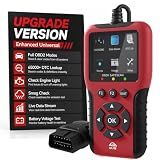
UJS Safescan OBD2 Scanner Enhanced Universal, Car Diagnostic Tool(Red)
-
FAST CODE READING: CLEARS ENGINE CODES IN 60 SECONDS, SAVES REPAIR COSTS.
-
EXPERT-APPROVED: TRUSTED BY TOP MECHANICS FOR RELIABLE EMISSIONS TESTING.
-
UNIVERSAL COMPATIBILITY: WORKS WITH 1996+ US AND GLOBAL VEHICLES, MULTI-LANGUAGE SUPPORT.
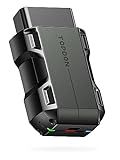
TOPDON TopScan Lite OBD2 Scanner, Bidirectional Scan Tool, 8 Resets & AI
- EFFICIENT DIAGNOSTICS: QUICKLY IDENTIFY ISSUES WITHOUT DISASSEMBLY.
- FLEXIBLE ACCESS: ENJOY FREE CORE FEATURES, CHOOSE ADVANCED UPGRADES.
- COMPREHENSIVE COVERAGE: SCAN ALL SYSTEMS FOR COMPLETE VEHICLE INSIGHTS.
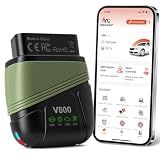
VQQEFF OBD2 Scanner Bluetooth Car Diagnostic Tool with 2026 AI Assistant
-
COMPREHENSIVE 4-SYSTEM DIAGNOSTICS-CATCH PROBLEMS EARLY!
-
NO MONTHLY FEES-PAY ONCE, OWN FOREVER, NO HIDDEN COSTS!
-
INSTANT BLUETOOTH 5.1 CONNECTION-FAST, RELIABLE, NO DROPOUTS!
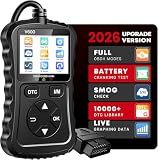
XIAUODO OBD2 Scanner Car Code Reader Support Voltage Test Plug and Play Fixd Car CAN Diagnostic Scan Tool Read and Clear Engine Error Codes for All OBDII Protocol Vehicles Since 1996(Black)
-
COMPREHENSIVE DIAGNOSTICS: 30,000+ FAULT CODES FOR ACCURATE VEHICLE ANALYSIS.
-
SMART UPGRADE: REAL-TIME VOLTAGE TESTING FOR EFFICIENT TROUBLESHOOTING.
-
BEGINNER-FRIENDLY DESIGN: INTUITIVE CONTROLS AND CLEAR DISPLAY FOR EASY USE.
To join tables in MySQL, you can use the "JOIN" keyword in your SELECT statement. There are different types of JOINs you can use, such as INNER JOIN, LEFT JOIN, RIGHT JOIN, and FULL JOIN.
The most commonly used type of join is the INNER JOIN, which only returns rows that have matching values in both tables. To use an INNER JOIN, you can simply specify the tables you want to join and the columns you want to match on in the ON clause.
For example, if you have two tables "table1" and "table2" with a common column "id", you can join them using an INNER JOIN like this:
SELECT * FROM table1 INNER JOIN table2 ON table1.id = table2.id;
This will return only the rows where the "id" column in table1 matches the "id" column in table2.
You can also use LEFT JOIN, RIGHT JOIN, or FULL JOIN depending on the requirement of your query. LEFT JOIN will return all rows from the left table and the matched rows from the right table, RIGHT JOIN will return all rows from the right table and the matched rows from the left table, and FULL JOIN will return all rows when there is a match in either table.
By using JOINs in your MySQL queries, you can combine data from multiple tables and retrieve the information you need in a single result set.
What is a nested join in MySQL?
A nested join in MySQL is a complex join operation that involves joining multiple tables using multiple join conditions. It is achieved by nesting join operations within each other to combine data from multiple tables. This type of join can be useful for joining tables that have multiple relationships or complex data structures.
How to join tables in MySQL using RIGHT JOIN?
To join tables in MySQL using a RIGHT JOIN, you can use the following syntax:
SELECT columns FROM table1 RIGHT JOIN table2 ON table1.column_name = table2.column_name;
In this syntax:
- Specify the columns you want to retrieve in the SELECT statement.
- Specify the first table you want to join in the FROM statement.
- Use RIGHT JOIN to specify that you want to retrieve all records from the second table and only matching records from the first table.
- Specify the second table you want to join.
- Use the ON keyword to specify the condition for the join, which is typically the column(s) that the two tables have in common.
Here is an example of joining two tables using RIGHT JOIN:
SELECT orders.order_id, customers.name FROM orders RIGHT JOIN customers ON orders.customer_id = customers.customer_id;
This query will retrieve all orders from the orders table, along with the corresponding customer name from the customers table.
What is the difference between INNER JOIN and OUTER JOIN in MySQL?
In MySQL, INNER JOIN and OUTER JOIN are both types of JOIN operations used to combine rows from two or more tables based on a related column between them. The main difference lies in how they handle matching and non-matching rows from the tables being joined.
INNER JOIN:
- INNER JOIN only returns rows that have matching values in both tables being joined based on the specified condition.
- It will exclude rows that do not have corresponding values in both tables.
- It is the most common type of join used in MySQL queries.
OUTER JOIN:
- OUTER JOIN returns all rows from at least one of the tables being joined, even if there are no matching values in the other table.
- It includes rows from one table even if there are no corresponding values in the other table.
- There are three types of OUTER JOIN: LEFT JOIN, RIGHT JOIN, and FULL JOIN, each with slightly different behavior.
Overall, the key difference is that INNER JOIN only includes rows with matching values, while OUTER JOIN includes all rows from at least one of the tables being joined.