Best Air Purifier Filters to Buy in October 2026
Core Mini Replacement Filter for LEVOIT Core Mini,Core Mini-P Air Purifier
-
PERFECT FIT FOR LEVOIT MINI MODELS: DESIGNED SOLELY FOR CORE MINI & MINI-P!
-
ADVANCED 3-IN-1 FILTRATION: ELIMINATES AIRBORNE PARTICLES AND ODORS EFFICIENTLY.
-
COST-EFFECTIVE VALUE PACK: INCLUDES 2 FILTERS + 10 AROMA PADS FOR GREAT SAVINGS!


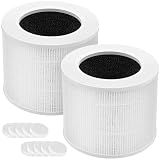
GermGuardian, Filter B HEPA Pure Genuine Air Purifier Filter, Removes 99.97% of Pollutants, Wildfire Smoke, Odors, for Ac4825, Ac4300, Ac4850, Ac4880, Ac4900, Cdap4500, Ap2200, Flt4825
-
CAPTURE 99.97% OF AIRBORNE PARTICLES FOR CLEANER BREATHING
-
MULTI-LAYER FILTRATION FOR A HEALTHIER HOME ENVIRONMENT
-
EFFECTIVELY REDUCES ODORS FROM PETS, COOKING, AND SMOKING
Levoit Core 300-P Air Purifier Replacement Filter, Genuine Air Filters
- GENUINE FILTERS FOR PEAK PERFORMANCE: ENSURE OPTIMAL AIR QUALITY & LONGEVITY.
- HEPA-GRADE QUIET OPERATION: ACHIEVE EFFICIENT FILTRATION EVEN AT NIGHT.
- 3-STAGE PROTECTION FOR EVERY HOME: PERFECT FOR PETS, SMOKE, AND ODORS.
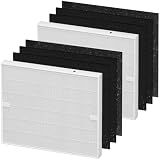
2 Pack Airmega AP-1512HH Filter Replacement for Coway Air Purifier
- HIGH EFFICIENCY: CAPTURES 99.9% OF AIRBORNE PARTICLES, ENSURES FRESH AIR.
- COST-EFFECTIVE: INCLUDES 2 HEPA AND 6 CARBON FILTERS FOR GREAT VALUE.
- EASY INSTALLATION: QUICK AND TOOL-FREE REPLACEMENT FOR HASSLE-FREE USE.
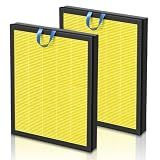
Vital 200S Pet Care Replacement Filter for LEVOIT Vital 200S-P Air Purifier
- COMPATIBLE WITH LEVOIT 200S MODELS FOR EASY REPLACEMENT!
- 3-STAGE FILTRATION REMOVES ALLERGENS FOR FRESH, CLEAN AIR!
- HIGH EFFICIENCY ACTIVATED CARBON TACKLES ODORS & GASES!
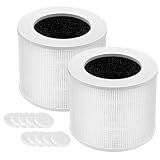
2 Pack Core Mini Replacement Filter for LEVOIT Core Mini-P Air Purifiers
- COMPATIBLE WITH LEVOIT CORE MINI-P: ENSURE PERFECT FIT EVERY TIME!
- COST-EFFECTIVE 2-PACK ENSURES CLEANER AIR WITHOUT BREAKING THE BANK!
- EASY INSTALLATION: NO TOOLS NEEDED FOR HASSLE-FREE MAINTENANCE!
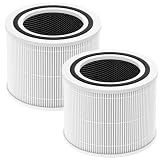
Core 300 Replacement Filter for LEVOIT Core 300-P Core 300S-P Air Purifier
-
PERFECT FIT: COMPATIBLE WITH LEVOIT CORE 300 SERIES AIR PURIFIERS.
-
FRESH AIR GUARANTEE: REPLACE FILTERS EVERY 6-8 MONTHS FOR OPTIMAL PERFORMANCE.
-
COST-EFFECTIVE BUNDLE: GET TWO FILTERS FOR ALL-YEAR-ROUND AIR CLEANING NEEDS.
To replace an air purifier filter, start by turning off the air purifier and unplugging it from the power source. Locate the filter compartment on the air purifier, which is usually found on the back or side of the unit. Open the filter compartment door or panel to access the old filter.
Carefully remove the old filter from the compartment and dispose of it properly according to local waste disposal guidelines. Take note of the size and shape of the old filter so you can purchase the correct replacement filter.
Insert the new filter into the compartment, making sure it is positioned correctly and securely in place. Close the filter compartment door or panel and plug the air purifier back in. Turn on the air purifier and run it for a few minutes to ensure the new filter is working properly.
It is recommended to replace air purifier filters every 6 to 12 months, or as recommended by the manufacturer. Regular filter replacement helps maintain the effectiveness of the air purifier in removing airborne particles and improving indoor air quality.
What are the different types of air purifier filters available?
- HEPA (High Efficiency Particulate Air) Filters: These filters are highly efficient at removing particles as small as 0.3 microns, including dust, pollen, pet dander, and mold spores.
- Activated Carbon Filters: These filters are effective at removing odors, gases, and volatile organic compounds (VOCs) from the air. They work by adsorbing and trapping the molecules responsible for unpleasant smells.
- UV-C Filters: These filters use ultraviolet (UV) light to kill bacteria, viruses, and other harmful microorganisms in the air. They are typically used in combination with HEPA filters to provide a more comprehensive air purification.
- Ionic Filters: These filters use negatively charged ions to attract and remove particles from the air. They are effective at removing airborne particles but may produce ozone as a byproduct.
- Electrostatic Filters: These filters use an electrostatic charge to attract and trap dust particles, pollen, and other allergens. They are reusable and can be washed and reused multiple times.
How do I know when it's time to replace my air purifier filter?
Here are some signs that may indicate it is time to replace your air purifier filter:
- Reduced airflow: If you notice that the airflow coming out of your air purifier is weaker than usual, it may be due to a clogged or dirty filter that needs replacing.
- Strong odors: If you start to notice unusual or strong odors in the air, it may be a sign that the filter is no longer effectively capturing particles and needs to be replaced.
- Increased dust and debris: If you see an increase in dust and debris around your home, it may be an indication that the filter is no longer effectively trapping particles and needs to be replaced.
- Change in filter color: Some filters change color as they become dirty or clogged. If you notice a significant change in the color of your filter, it may be time for a replacement.
- Manufacturer's recommendations: Check the manufacturer's guidelines for your specific air purifier model to see how often they recommend replacing the filter. It is typically recommended to replace the filter every 6-12 months, depending on usage and air quality.
Ultimately, if you are unsure whether it is time to replace your air purifier filter, it is best to err on the side of caution and replace it to ensure the optimal performance of your air purifier.
What are some common mistakes to avoid when replacing an air purifier filter?
- Not checking the compatibility of the replacement filter: It is important to ensure that the replacement filter is compatible with your specific air purifier model. Using an incompatible filter can reduce the effectiveness of the purifier and potentially damage the unit.
- Not cleaning the air purifier: Before replacing the filter, be sure to clean the air purifier’s exterior and interior components to prevent dust and debris from accumulating and reducing the efficiency of the new filter.
- Not following the manufacturer’s instructions: Each air purifier model may have specific instructions for replacing the filter. Be sure to carefully read and follow the manufacturer’s guidelines to ensure a proper and safe replacement.
- Not replacing the filter regularly: It is important to replace the air purifier filter according to the manufacturer’s recommendations. Using an old or clogged filter can reduce the air purifier’s performance and potentially worsen air quality.
- Mishandling the filter: When replacing the filter, avoid touching the filter surface with bare hands as this can transfer oils and dirt onto the filter, reducing its effectiveness. Additionally, do not bend or damage the filter during installation.
- Not properly sealing the filter: Make sure the new filter is properly installed and sealed in the air purifier to prevent air leaks and ensure optimal performance.
- Ignoring unusual noises or smells after replacement: If you notice unusual noises or odors coming from the air purifier after replacing the filter, stop using it immediately and consult the manufacturer’s instructions for troubleshooting tips or contact customer support for assistance.
How do I choose the right size air purifier filter for my unit?
To choose the right size air purifier filter for your unit, you will first need to determine the model number and brand of your air purifier. This information can usually be found on a sticker on the unit itself or in the user manual. Once you have this information, you can search for replacement filters that are specifically designed to fit your unit.
If you are unable to find the exact brand and model number of your air purifier, you can also measure the dimensions of your current filter to determine the correct size. Measure the length, width, and depth of the filter to ensure that you purchase a replacement filter that will fit properly in your unit.
It is important to note that using the wrong size filter in your air purifier can reduce its effectiveness and potentially damage the unit. It is always best to use filters that are specifically designed for your air purifier model to ensure optimal performance.
What is the recommended maintenance schedule for an air purifier filter?
The recommended maintenance schedule for an air purifier filter can vary depending on the type of filter and the manufacturer's instructions. However, here are some general guidelines:
- Pre-filter: Clean or replace every 3 months, or as needed. This pre-filter helps capture larger particles like dust and hair before they reach the main filter.
- HEPA filter: Replace every 6 to 12 months, or sooner if you notice a drop in air quality or the filter looks dirty. HEPA filters remove smaller particles like pollen, pet dander, and mold spores.
- Carbon filter: Replace every 3 to 6 months, or as needed. Carbon filters help remove odors and VOCs (volatile organic compounds) from the air.
- UV-C light bulb: Replace every 12 to 18 months, or as recommended by the manufacturer. UV-C lights help kill germs and bacteria in the air.
It's important to check the manufacturer's instructions for your specific air purifier model and filter types, as maintenance schedules can vary. Regularly replacing filters helps ensure your air purifier continues to effectively clean the air in your home.
What are the different levels of air filtration that air purifier filters provide?
Air purifier filters provide different levels of air filtration based on their design and technology. Some common levels of air filtration provided by air purifier filters are:
- Pre-filter: A pre-filter is the first layer of filtration in an air purifier and helps to capture larger particles like dust, hair, and pet dander.
- True HEPA filter: True HEPA filters are considered the gold standard in air purifier filtration. They can capture 99.97% of particles as small as 0.3 microns, including pollen, mold spores, pet dander, and dust mites.
- Activated carbon filter: Activated carbon filters are designed to remove odors, gases, and chemical fumes from the air by adsorbing them onto the filter surface.
- UV-C light: Some air purifiers use UV-C light to kill bacteria, viruses, and other pathogens in the air by disrupting their DNA.
- Ionizer: Ionizers release negatively charged ions into the air, which attach to positively charged particles like dust and allergens, causing them to become too heavy to remain airborne and fall to the ground.
- Ozone generator: Ozone generators produce ozone, a molecule that can neutralize odors and kill bacteria, viruses, and mold spores. However, ozone generators can also produce harmful ozone levels and are not recommended for use in occupied spaces.
Overall, air purifier filters can provide varying levels of air filtration based on the technology used and the quality of the filter. It is important to choose an air purifier that best suits your needs and consider factors like room size, air quality concerns, and filter replacement costs.