
Best Streaming Device Solutions to Buy in October 2026
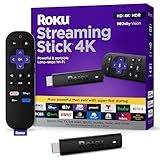
Roku Streaming Stick 4K - HDR & Dolby Vision Roku Streaming Device for TV with Voice Remote & Long-Range Wi-Fi - Free & Live TV
- EXPERIENCE STUNNING 4K, DOLBY VISION, AND HDR FOR LIFELIKE CLARITY.
- SIMPLE STREAMING ACROSS ANY TV WITH SEAMLESS LONG-RANGE WI-FI.
- CONTROL ALL YOUR ENTERTAINMENT WITH ONE REMOTE AND VOICE COMMANDS.


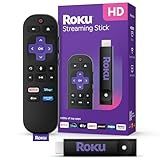
Roku Streaming Stick HD 2025 — HD Streaming Device for TV with Roku Voice Remote, Free & Live TV
-
STREAM HD CONTENT EASILY WITH TOP APPS AND FREE LIVE TV!
-
SLEEK DESIGN WON’T BLOCK OTHER HDMI PORTS-NO EXTRA CLUTTER!
-
ONE REMOTE CONTROL FOR TV AND STREAMING-VOICE SEARCH INCLUDED!
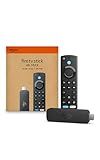
Amazon Fire TV Stick 4K Max streaming device, with AI-powered Fire TV Search, supports Wi-Fi 6E, free & live TV without cable or satellite
-
STREAM XBOX GAMES EFFORTLESSLY-NO CONSOLE NEEDED, JUST YOUR FIRE TV STICK!
-
EXPERIENCE 4K ULTRA HD WITH DOLBY ATMOS FOR STUNNING HOME ENTERTAINMENT.
-
CONTROL EVERYTHING EASILY WITH THE VOICE-ACTIVATED REMOTE AND SMART SEARCH.

Amazon Fire TV Stick 4K Plus (newest model) with AI-powered Fire TV Search, Wi-Fi 6, stream over 1.8 million movies and shows, free & live TV
-
STREAM 4K CONTENT SEAMLESSLY WITH ADVANCED PERFORMANCE AND WI-FI 6.
-
PLAY TOP XBOX GAMES DIRECTLY ON YOUR FIRE TV STICK 4K PLUS-NO CONSOLE NEEDED!
-
DISCOVER MOVIES EFFORTLESSLY USING ALEXA’S SMART SEARCH FEATURES.
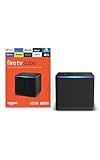
Amazon Fire TV Cube, with AI-powered Fire TV Search, Hands-free streaming device with Alexa, Wi-Fi 6E, 4K Ultra HD
-
LIGHTNING-FAST STREAMING WITH OCTA-CORE POWER-2X SPEED BOOST!
-
VOICE CONTROL WITH ALEXA-MANAGE DEVICES FROM ACROSS THE ROOM!
-
CINEMATIC 4K QUALITY WITH DOLBY VISION AND HDR FOR ULTIMATE VIEWING!
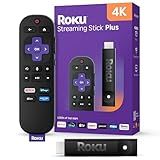
Roku Streaming Stick Plus 2025 - 4K & HDR Roku Streaming Device for TV with Voice Remote - Free & Live TV
- SIMPLE 4K STREAMING WITH TOP APPS AND TONS OF FREE CONTENT.
- STUNNING 4K PICTURE QUALITY WITH VIVID HDR FOR AN IMMERSIVE EXPERIENCE.
- COMPACT DESIGN WITH ONE REMOTE FOR EFFORTLESS CONTROL AND CONVENIENCE.
Buffering issues on a streaming device can be frustrating, but there are steps you can take to troubleshoot and hopefully resolve the problem.
First, check your internet connection to ensure it is strong and stable. You can do this by running a speed test on your device or contacting your internet service provider.
Next, make sure there are no other devices using up bandwidth on your network while you are streaming. This can slow down your connection and cause buffering issues.
If you are using a Wi-Fi connection, try moving closer to your router or using an Ethernet cable for a more stable connection.
Clearing the cache and cookies on your streaming device can also help improve performance and reduce buffering.
If none of these solutions work, it may be worth contacting your streaming service provider for further assistance or considering upgrading your internet plan for better speeds.
How to troubleshoot buffering issues on a streaming device while using a wireless connection?
- Check your internet speed: Run a speed test on your device to ensure that your internet connection is sufficient for streaming. You may need to upgrade your internet plan if the speed is too slow.
- Move closer to the router: If possible, move your streaming device closer to the router to improve the signal strength and reduce buffering.
- Restart your router: Sometimes routers can become overloaded or experience technical issues that can cause buffering. Try restarting your router and modem to see if it helps.
- Disconnect other devices: If multiple devices are connected to the same network and using up bandwidth, it can cause buffering on your streaming device. Try disconnecting other devices or limiting their internet usage while streaming.
- Update your device's software: Make sure that your streaming device's software is up to date, as outdated software can cause performance issues. Check for any available updates and install them.
- Check for interference: Other electronic devices, walls, or obstructions can interfere with your wireless signal and cause buffering. Try moving your router to a different location or eliminating any potential sources of interference.
- Use a wired connection: If possible, use an Ethernet cable to directly connect your streaming device to the router. Wired connections are more stable and can help reduce buffering issues.
- Contact your internet service provider: If you've tried all of the above troubleshooting steps and are still experiencing buffering issues, contact your internet service provider for further assistance. They may be able to diagnose any network issues or provide additional solutions.
What is a temporary fix for buffering issues on a streaming device?
One temporary fix for buffering issues on a streaming device is to pause the video for a few minutes to allow the buffer to fill up before resuming playback. This can help prevent interruptions and improve streaming quality. Additionally, you can try clearing the cache or restarting the streaming device to see if that helps resolve the buffering issues. If the problem persists, you may need to check your internet connection or consider upgrading to a faster internet plan.
What is the recommended internet speed to avoid buffering on a streaming device?
The recommended internet speed to avoid buffering on a streaming device is at least 25 Mbps (megabits per second) for 4K streaming, 15 Mbps for 1080p streaming, and 5 Mbps for 720p streaming. These speeds will provide a smooth and uninterrupted streaming experience without any buffering issues.
How do I identify and resolve buffering problems on my streaming device?
- Check your internet connection: Make sure you have a reliable and strong internet connection. You can do a speed test to see if your connection is fast enough for streaming.
- Restart your device: Sometimes simply restarting your streaming device can resolve buffering issues.
- Update your device’s software: Make sure your streaming device has the latest software updates installed. Outdated software can cause buffering problems.
- Clear cache and cookies: Clearing the cache and cookies on your streaming device can help improve performance and reduce buffering.
- Check for interference: Make sure there are no physical obstructions or interference with your Wi-Fi signal that could be causing buffering issues.
- Reduce the number of devices connected to your network: Too many devices connected to your network can slow down your internet speed and cause buffering. Disconnect any unnecessary devices while streaming.
- Use an ethernet cable: If possible, connect your streaming device directly to your router using an ethernet cable for a more stable and faster connection.
- Adjust video quality settings: Lowering the video quality settings on your streaming device can reduce buffering issues, especially if your internet connection is not fast enough to handle high-quality streams.
- Contact your internet service provider: If you continue to experience buffering issues, reach out to your internet service provider to see if there are any network issues that need to be resolved.
What steps can I take to troubleshoot buffering issues on a streaming device connected to a TV?
- Check your internet connection: Make sure your internet connection is strong and stable. You can do a speed test to see if your internet is fast enough for streaming.
- Restart your streaming device: Sometimes simply restarting your streaming device can help resolve buffering issues. Unplug the device, wait a few minutes, and then plug it back in.
- Clear cache and cookies: Clearing the cache and cookies on your streaming device can help improve its performance. Go to the settings or preferences menu on your device to find options to clear cache and cookies.
- Close other apps: Close any other apps or programs that may be running in the background on your streaming device. Having too many apps open can slow down your device and cause buffering.
- Update your streaming app: Make sure the app you are using to stream content is up to date. Developers often release updates to improve performance and fix bugs.
- Check for interference: Make sure there are no other devices in your home that could be interfering with your streaming device’s connection, such as microwaves or cordless phones.
- Change streaming quality: If you are experiencing buffering issues, try lowering the quality of the stream. Most streaming services have options to adjust the video quality to optimize your viewing experience.
- Move your router: If your streaming device is far away from your router, try moving it closer to see if that improves the connection.
- Contact your internet service provider: If you have tried all of the above steps and are still experiencing buffering issues, contact your internet service provider to see if there are any known issues in your area. They may be able to provide further assistance.
What is the impact of network congestion on streaming device buffering?
Network congestion can have a significant impact on streaming device buffering. When there is high network congestion, it means that there is a lot of data being transmitted through the network, causing delays and slow speeds. This can result in buffering issues for streaming devices as they struggle to receive the necessary data to play the video smoothly.
The buffering process involves the streaming device receiving a certain amount of data ahead of time to ensure a continuous playback without interruption. However, network congestion can disrupt this process by causing delays in data transmission, leading to buffering pauses and interruptions in the video stream.
In some cases, network congestion can also lead to lower video quality or resolution as the streaming device may struggle to receive the necessary data for high-quality playback. This can result in a frustrating viewing experience for users.
Overall, network congestion can have a negative impact on streaming device buffering by causing delays, interruptions, and lower video quality. Users may experience frustration and dissatisfaction with their viewing experience when network congestion affects streaming performance.