
Best Tornado Preparedness Kits to Buy in October 2026
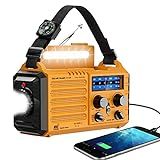
Eoxsmile Emergency Radio with NOAA Weather Alert, Solar Hand Crank Portable
-
NOAA ALERTS: STAY SAFE WITH INSTANT SEVERE WEATHER NOTIFICATIONS!
-
5 POWER SOURCES: RELIABLE OPERATION ANYWHERE, ANYTIME!
-
ALL-IN-ONE DESIGN: RADIO, FLASHLIGHT, AND CHARGER FOR EMERGENCIES!


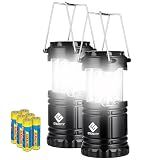
Etekcity LED Camping Lanterns, Battery Operated, 2 Pack
-
BRIGHT & DIMMABLE: 30 LED BULBS OFFER 154 LUMENS OF ADJUSTABLE LIGHT.
-
COMPACT & LIGHTWEIGHT: COLLAPSIBLE DESIGN FOR EASY PACKING ON OUTDOOR TRIPS.
-
DURABLE & WATER RESISTANT: BUILT TO WITHSTAND DROPS AND WET CONDITIONS.
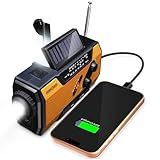
FosPower NOAA Emergency Weather Radio A1 7400mWh Solar Hand Crank (Orange)
- POWER BANK: STAY CHARGED WITH 7400MWH CAPACITY FOR DEVICES.
- THREE POWER SOURCES: CRANK, SOLAR, AND BATTERIES FOR RELIABILITY.
- NOAA ACCESS: GET REAL-TIME WEATHER UPDATES AND ALERTS ANYTIME.

Blue Coolers Blue Seventy-Two | 72 Hour Emergency Backpack Survival Kits for 1 Person | Survival Kit for Wildfires, Earthquakes, Tornado, Hurricane, and Other Emergencies…
- COMPLETE 72-HOUR KIT: ALL ESSENTIALS FOR ONE PERSON INCLUDED!
- 5-YEAR SHELF LIFE: LONG-LASTING SUPPLIES FOR PEACE OF MIND.
- STAY READY FOR EMERGENCIES: PERFECT FOR DIVERSE NATURAL DISASTERS!
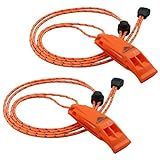
LuxoGear Emergency Whistles with Lanyard Safety Whistle Survival Shrill Loud Blast for Kayak Life Vest Jacket Boating Fishing Boat Camping Hiking Hunting Rescue Signaling Kids Lifeguard Plastic 2 Pack
-
SUPER LOUD 120DB: BE HEARD OVER A MILE, PERFECT FOR EMERGENCIES!
-
PEA-LESS DESIGN: NO JAMMING OR FREEZING, RELIABLE IN ALL CONDITIONS.
-
DURABLE & WATERPROOF: BUILT TO LAST FOR ALL OUTDOOR ADVENTURES.

Energizer Universal LED Headlamp (2-Pack), Bright Head Lamp for Outdoors, Camping and Emergency Light, IPX4 Water Resistant (Batteries Included)
- ULTIMATE HANDS-FREE LIGHTING: BRIGHT, VERSATILE HEADLAMPS FOR ANY ACTIVITY.
- COMFORT MEETS DURABILITY: LIGHTWEIGHT DESIGN FOR ALL-DAY, RELIABLE WEAR.
- POWERFUL LED TECHNOLOGY: 12X BRIGHTER, ILLUMINATING UP TO 40 METERS AWAY.
Tornadoes in Missouri are relatively common due to its location in the central United States within an area known as Tornado Alley. Missouri experiences an average of about 30 tornadoes per year, although the number can vary greatly from year to year.
The tornado season in Missouri typically lasts from March to August, with a peak in activity during the spring months. This is when warm, moist air from the Gulf of Mexico clashes with colder air from the north, creating the atmospheric conditions favorable for tornado formation.
The strength and severity of tornadoes in Missouri can vary, ranging from weak EF0 and EF1 tornadoes to powerful EF4 and EF5 tornadoes. EF0 tornadoes have estimated wind speeds between 65 and 85 mph, while EF5 tornadoes can produce wind speeds over 200 mph.
Some notable tornadoes in Missouri history include the Joplin tornado in 2011, which was an EF5 tornado that caused significant damage and killed 161 people, as well as the Great Natchez Tornado of 1840, the deadliest tornado in U.S. history, which affected both Missouri and Mississippi.
The path and intensity of tornadoes are highly unpredictable, making it vital for residents in Missouri to be prepared and have a plan in place in case of severe weather. The state has a well-established tornado warning system in place, including sirens, weather radio alerts, and mobile apps, to help alert people when tornadoes are approaching.
Despite the potential dangers, Missouri has made significant advancements in forecasting and warning systems, which has helped to save lives and reduce the severity of tornado-related injuries and damage. The state and its residents continue to work towards improving safety measures and preparedness to mitigate the impact of tornadoes.
How often does St. Louis get tornadoes?
St. Louis, Missouri, is located in a region known as "Tornado Alley," where tornado activity is relatively common. However, the frequency of tornadoes can vary from year to year. On average, St. Louis experiences about 12 tornadoes per year. The peak tornado season in the region generally spans from March to June, but tornadoes can occur at any time of the year. It is important for residents of St. Louis to stay aware and prepared during tornado season.
Is St. Louis, Missouri, in tornado alley?
Yes, St. Louis, Missouri, is generally considered to be part of tornado alley. Tornado alley is a region in the central United States where tornadoes are more frequently observed and tend to be more severe. It stretches from northern Texas through Oklahoma, Kansas, Nebraska, and into parts of Missouri and Iowa. While the exact boundaries of tornado alley are not well-defined, St. Louis is located in a region that experiences a higher frequency of tornado activity.
How much damage did the St. Louis tornado cause?
The St. Louis tornado that occurred on April 22, 2011, caused significant damage. It classified as an EF4 tornado on the Enhanced Fujita Scale, indicating winds between 166 and 200 mph (267 and 322 km/h). The tornado damaged or destroyed numerous buildings, homes, and infrastructure, leading to an estimated $1.1 billion in damages. The extent of the damage included uprooted trees, collapsed buildings, and widespread destruction throughout various neighborhoods in St. Louis and its surrounding areas.